Sunset Ford of Sumner

Blog / Sumner Ford Service

Why Do My Ford Brakes Squeak After It Rains? Understanding Moisture, Surface Rust, and When Brake Noise Is a Problem

Ford Brake Service in Sumner, WA

If you've noticed your Ford brakes squeaking after rain, you're not alone. Moisture can cause temporary surface rust to develop on brake rotors, particularly when a vehicle sits outside overnight. This can lead to squeaking, squealing, or light scraping sounds during the first few brake applications. In many cases, the noise disappears as the brakes are used normally. However, persistent or unusually loud brake noise may indicate a problem that needs attention.

For Ford owners around Sumner, Bonney Lake, and Lake Tapps, frequent rainfall and damp conditions make moisture-related brake noise a familiar concern. Understanding why it happens, what sounds are generally temporary, and when professional brake service is necessary can help you make informed decisions about your vehicle's maintenance.

Why Do Brakes Squeak After It Rains?

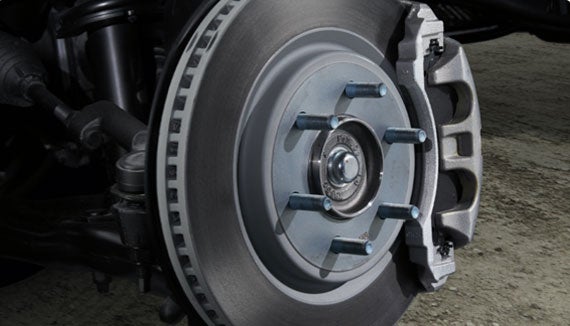
Most modern Ford vehicles use disc brakes, which rely on brake pads pressing against metal rotors to slow the vehicle. Brake rotors are commonly made with iron-based materials that can develop a thin layer of oxidation when exposed to moisture and oxygen.

After rain, morning dew, or even a car wash, a light coating of surface rust can form on the exposed rotor surfaces. When you first apply the brakes, the brake pads contact this layer, sometimes creating temporary squeaking or scraping noises.

As the vehicle is driven and the brakes are applied normally, the pads often remove the light surface oxidation. The noise may then fade or disappear entirely.

Quick Answer: Is Brake Squeaking After Rain Normal?

Sometimes, yes. A brief squeak or light scraping noise during the first few normal brake applications after wet weather can result from surface moisture or light rotor rust. If the noise disappears and your vehicle brakes normally, it may be temporary. Persistent squealing, heavy grinding, vibration, or changes in braking performance should be professionally inspected.

Why Brake Noise Is Common During Western Washington's Rainy Season

Western Washington's wet fall and winter months create favorable conditions for temporary brake rotor corrosion. Frequent rain, overnight humidity, and cool temperatures can keep exposed brake components damp for extended periods.

This is particularly relevant for drivers in Sumner, Bonney Lake, and Lake Tapps who regularly park their vehicles outdoors. Even when it isn't actively raining, overnight condensation can leave moisture on exposed metal surfaces.

A Ford F-150, Explorer, Escape, or Bronco that has been parked overnight may occasionally make a brief noise during the first stops of the morning. The same can happen after a vehicle sits unused for several days.

While light surface rust is often normal, prolonged exposure to moisture can also contribute to more significant corrosion. Persistent noise should not automatically be dismissed as a seasonal issue.

Surface Rust vs. Worn Brake Pads: How Can You Tell the Difference?

Not every squeaking brake is caused by rain. Brake pads, rotors, and related hardware experience wear over time, and some sounds can indicate that service is needed.

Temporary Brake Noise Caused by Moisture

Moisture-related brake noise generally has a few recognizable characteristics:

  • The noise occurs after rain, a car wash, or overnight parking.
  • Squeaking or light scraping is most noticeable during the first few normal brake applications.
  • The sound gradually disappears as the brakes are used.
  • Braking performance feels normal, without unusual vibration, pulling, or changes in pedal response.

These signs can suggest temporary moisture-related noise, but they cannot confirm the condition of the brake components without an inspection.

Brake Noise That May Indicate Worn Pads or Other Problems

Brake pads gradually wear down with use. Some designs include wear indicators that produce a high-pitched squeal when the friction material reaches a certain thickness.

Other possible causes of persistent brake noise include:

  • Worn brake pads: Thin friction material or brake pad wear indicators may create ongoing squealing.
  • Uneven or damaged rotors: Rotor condition can contribute to noise, vibration, or pulsation during braking.
  • Debris near the brakes: Small stones, road grit, or other material can sometimes become trapped around brake components.
  • Brake hardware problems: Worn, loose, or sticking components can cause abnormal noise or uneven brake wear.
  • Corrosion beyond light surface rust: Heavy rust or rotor pitting may require professional attention.

The exact cause cannot reliably be determined from sound alone. A qualified technician can inspect the brake system to identify what needs attention.

When Should You Worry About Squeaking or Grinding Brakes?

Occasional squeaking after wet weather does not always mean your Ford needs new brakes. However, certain symptoms deserve prompt attention, especially when they continue beyond the first few normal stops.

Brake Warning Signs You Shouldn't Ignore

  • Persistent squealing: The noise continues throughout your drive, even after the brakes have been used.
  • Harsh metallic grinding: A loud grinding sound can indicate significant brake wear or another mechanical problem.
  • Steering wheel or pedal vibration: Shaking or pulsation during braking may indicate rotor or other brake system concerns.
  • Pulling to one side: The vehicle drifts noticeably left or right while braking.
  • Changes in pedal feel: An unusually soft, sinking, or difficult-to-press brake pedal may indicate a serious issue.
  • Brake warning lights: A brake system warning light should be investigated according to your Ford owner's manual.

If your Ford has reduced braking ability, a pedal that sinks toward the floor, or other symptoms that make the vehicle unsafe to operate, stop driving when it is safe to do so and arrange professional assistance or towing.

What Should You Do If Your Ford Brakes Squeak After Rain?

If you notice a new brake noise after wet weather, the safest approach is to observe the circumstances without attempting to force the noise to disappear.

  1. Notice when the sound occurs. Does it happen only after overnight parking or every time you apply the brakes?
  2. Pay attention to braking performance. Watch for unusual vibration, pulling, reduced stopping ability, or changes in pedal feel.
  3. Use the brakes normally. If the vehicle feels safe to operate, light moisture-related noise may disappear during ordinary driving. Do not use aggressive or repeated hard stops to remove rust.
  4. Schedule an inspection if the noise continues. Persistent, worsening, or unfamiliar sounds should be evaluated by a professional.

Avoid attempting to solve brake noise by applying lubricants, sprays, or other products to brake friction surfaces. Doing so can compromise braking performance.

How Often Should Ford Brakes Be Inspected?

Brake inspection intervals vary depending on your Ford model, driving conditions, and the maintenance schedule provided by the manufacturer.

Frequent stop-and-go driving, steep roads, towing, and other demanding conditions can affect brake wear. For drivers traveling around Sumner, Bonney Lake, and Lake Tapps, it makes sense to pay attention to changes in braking performance throughout the year.

Reviewing your owner's manual and having your brakes checked during recommended maintenance visits can help identify worn components before they become more serious problems.

At Sunset Ford of Sumner's Service Department , trained technicians can evaluate brake-related concerns and recommend appropriate service based on your vehicle's condition.

Frequently Asked Questions About Brakes Squeaking After Rain

Why do my Ford brakes squeak in the morning but stop later?

Overnight moisture can cause a thin coating of surface rust to form on brake rotors. When the pads contact this layer during the first few normal brake applications, temporary squeaking or light scraping can occur. The sound may disappear as the surface oxidation wears away.

Does rust on brake rotors mean they need to be replaced?

Not necessarily. Light surface rust is common on exposed iron-based brake rotors, particularly in damp conditions. However, heavy corrosion, pitting, or ongoing brake noise should be inspected to determine whether repair or replacement is necessary.

How long should brakes squeak after rain?

Light moisture-related noise often disappears after the first few normal brake applications. There is no guaranteed time or number of stops. If the sound persists throughout your drive, becomes worse, or comes with braking problems, schedule an inspection.

Can washing my Ford cause the brakes to squeak?

Yes. Water from a car wash can leave moisture on the brake rotors and pads. This may cause temporary noise similar to what happens after rainfall. Persistent or unusual sounds should still be checked.

Where can I schedule Ford brake service near Bonney Lake and Lake Tapps?

Sunset Ford of Sumner offers Ford brake inspections, maintenance, and repairs at its service department in Sumner, WA. Drivers from Bonney Lake, Lake Tapps, and surrounding communities can schedule a service appointment online or contact the service team for assistance.

Schedule Ford Brake Service at Sunset Ford of Sumner

Brake noise after a rainy night isn't always a reason for concern, but knowing the difference between temporary moisture-related sounds and signs of brake wear can help protect your vehicle's performance.

If your Ford continues squeaking, grinding, or behaving differently when you brake, the technicians at Sunset Ford of Sumner can help identify the cause. Our service department assists drivers throughout Sumner, Bonney Lake, Lake Tapps, and the surrounding area with routine maintenance, brake inspections, and repairs.

You can also review our current Ford service specials before your appointment to see whether any available offers apply to your visit.

Keep Your Ford's Brakes Ready for Washington Roads

Have questions about squeaking brakes or possible brake wear? Schedule an inspection with Sunset Ford of Sumner and get guidance on your vehicle's braking system.

Sunset Ford of Sumner
6616 166th Avenue East
Sumner, WA 98390
Service: 253-321-5772
Posted in:

Related Posts

Oil Change

Why Regular Oil Change Services are Crucial for Your Vehicle's Health

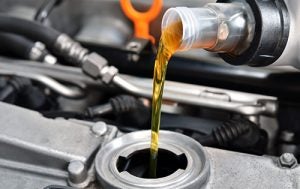
Maintaining Your Engine's Longevity in Sumner, WA When it comes to keeping your vehicle running smoothly, few routine maintenance tasks are as important as oil change services. Whether you're commuting around Sumner, WA, or hitting the open road, ensuring your engine is well-lubricated is key to avoiding costly repairs and maximizing your vehicle's performance. In this blog, we’ll explore why regular oil changes are essential and what you can expect during the process. The Importance of Regular Oil Change Services Oil change services are not just about swapping out old oil for new; they’re a cornerstone of vehicle maintenance. Over time, engine oil breaks down and becomes contaminated with dirt, debris, and other particles. This can lead to increased engine wear, decreased efficiency, and even potential engine failure. By regularly scheduling oil changes, you ensure your engine stays clean and properly lubricated, which helps extend its lifespan. For drivers in Sumner, WA, where variable weather conditions can impact engine performance, staying on top of oil changes is even more critical. Clean oil reduces friction, prevents overheating, and ensures your engine operates at peak efficiency no matter the driving conditions. What to Expect During an Oil Change Service When you bring your vehicle in for oil change services, a trained technician will perform more than just an oil swap. Here’s what typically happens: Draining the Old Oil: The old, degraded oil is carefully drained from your vehicle, removing contaminants that could harm your engine. Replacing the Oil Filter: The oil filter, which traps particles and debris, is replaced with a new one to maintain optimal performance. Adding Fresh Oil: The technician adds the appropriate type and amount of oil recommended by your vehicle's manufacturer. Inspection of Key Components: Many service providers will also perform a quick check of other essentials like fluid levels, belts, and tires to catch any potential issues early. By opting for professional oil change services, you can ensure that your engine is cared for by experts who understand its needs. Benefits of Choosing Professional Oil Change Services While some vehicle owners may attempt DIY oil changes, opting for professional services has distinct advantages. Certified technicians have the expertise to select the right type of oil for your vehicle, whether conventional, synthetic, or a blend. They’ll also dispose of used oil safely and responsibly, adhering to environmental regulations. Additionally, professional oil change services often include a multi-point inspection, giving you peace of mind about your vehicle's overall condition. For residents of Sumner, WA, this means you can drive confidently knowing your car is prepared for the demands of daily commuting or weekend adventures. Schedule Your Oil Change Today at Sunset Ford of Sumner Regular oil change services are a simple yet effective way to keep your vehicle running like new. At Sunset Ford of Sumner, we’re here to help drivers throughout Sumner, WA, maintain their vehicles with expert care and attention to detail. Don’t wait until your engine signals trouble—schedule your next oil change service today and enjoy the benefits of a well-maintained vehicle. Conclusion Prioritizing oil change services is one of the smartest decisions you can make for your vehicle's health. Clean, fresh oil keeps your engine running efficiently, extends its lifespan, and helps you avoid costly repairs down the road. Whether you're navigating the streets of Sumner, WA, or planning a long road trip, regular oil changes are essential to keeping your car in top condition. Visit Sunset Ford of Sumner to experience professional, reliable service that ensures your vehicle is ready for whatever lies ahead.

Ford Engine Oil Leak

Don't Ignore That Oil Spot Under Your Ford: Small Leaks Have a Way of Growing

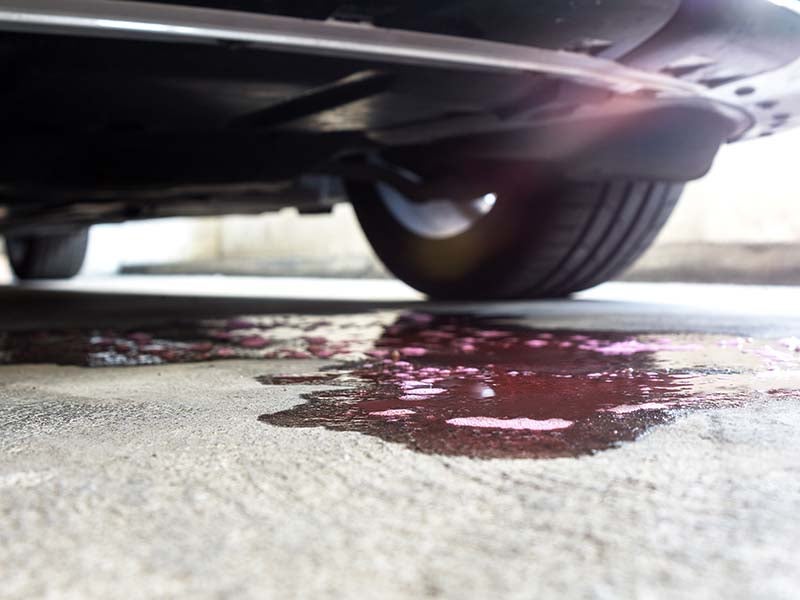
Finding a few drops of oil where you parked may not seem like a big deal, but it's often the first sign that your engine needs attention. Oil leaks rarely appear overnight. They usually begin as a slow seep before turning into a repair that demands immediate action. If you drive around Sumner, WA, or spend plenty of time commuting through the Pacific Northwest, keeping an eye on your engine oil is one of the easiest ways to protect your Ford for the long haul. Where Oil Leaks Usually Begin Most oil leaks develop after seals and gaskets have spent years exposed to heat, pressure, and thousands of miles of driving. A worn valve cover gasket is a common source, while oil pan gaskets, rear main seals, and timing cover seals can also begin leaking as they age. Sometimes the fix is even simpler. A drain plug that wasn't tightened correctly during an oil change or a worn drain plug washer can allow oil to escape little by little. The only way to know for sure is with a thorough inspection. Routine oil changes and regular vehicle inspections make it easier to catch these problems before they become larger repairs. Know the Signs Before They're Serious Oil doesn't always drip straight onto the driveway. In many cases, it lands on hot engine components first, creating a noticeable burning oil smell after the engine reaches operating temperature. Other warning signs include dark residue around the engine, a steady drop in the oil level between service visits, blue or gray exhaust smoke, or the oil pressure warning light appearing on the dashboard. If that warning light comes on, don't continue driving any farther than necessary. Low oil pressure can reduce lubrication to critical engine components in a very short amount of time. Why Waiting Can Cost More Engine oil performs several important jobs at once. It lubricates moving parts, helps carry heat away from internal components, and reduces friction throughout the engine. As oil escapes through a leak, those protective qualities begin to diminish. Continued operation with a low oil level increases wear on bearings, camshafts, crankshaft components, and cylinder walls. A repair that may have started with a gasket replacement can become far more extensive if the engine continues operating without enough oil. Addressing a leak early is almost always easier than repairing damage caused by running low on oil. A Few Simple Checks at Home You don't need a full workshop to spot the early signs of an oil leak. Parking on a clean surface overnight can reveal fresh drips by morning. Checking the dipstick every few weeks also helps you spot oil consumption before it becomes a larger concern. While you're looking under the hood, inspect around the valve covers and visible engine components for wet or oily residue. If anything looks unusual, scheduling a professional inspection is the safest next step. If you're already due for an oil change near Sumner, it's an ideal opportunity to have the engine inspected for developing leaks and other maintenance concerns. Keep Your Ford Ready for the Next Mile If you've noticed oil spots, a burning smell, or your oil level dropping faster than expected around Sumner, visit Sunset Ford of Sumner for a professional inspection. Our factory-trained technicians can locate the source of the leak, recommend the appropriate repair, and help keep your Ford performing at its best. Schedule your service appointment online today.

How Much Can Ford Trucks Tow?

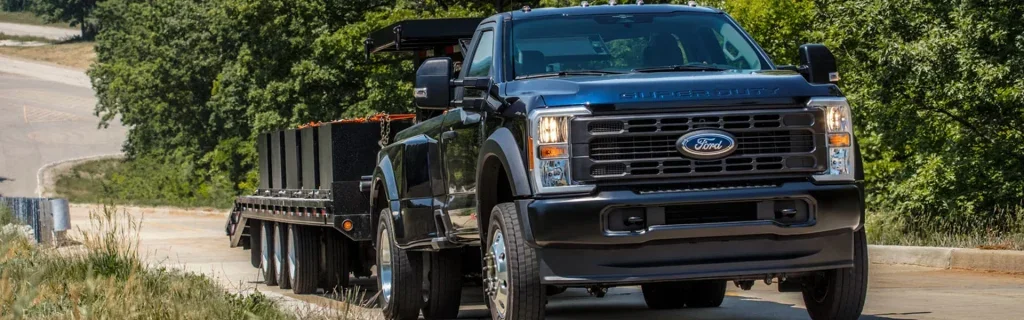
When it comes to tackling tough jobs, planning your weekend projects, or packing up for your next adventure, knowing how much a Ford truck can tow is crucial. Ford trucks are renowned for their durability, power, and impressive towing capabilities, making them a top choice for drivers in Sumner, Washington. Whether you're hauling equipment to a jobsite or towing a camper for a weekend getaway, Ford offers a range of trucks designed to meet your needs. In this blog, we’ll explore the towing capacities of popular Ford trucks and provide insights into the advanced features that make towing easier than ever. The Ford Towing Capacity Guide: An Overview Ford’s lineup of trucks is built to handle a variety of towing needs, from light-duty tasks to heavy-duty hauling. The Ford towing capacity guide provides detailed information on each model’s capabilities, helping you choose the right truck for your lifestyle. Ford Ranger: This mid-size truck is perfect for smaller loads, offering up to 7,500 lbs. of towing capacity when properly equipped. Ideal for towing small trailers or boats, the Ranger combines efficiency with capability. Ford F-150: Known as America’s favorite truck, the F-150 boasts a maximum towing capacity of 14,000 lbs. when equipped with the 3.5L EcoBoost® V6 engine. It’s perfect for towing larger trailers or RVs. Ford Super Duty®: For those who need serious power, the Super Duty lineup delivers. With a maximum towing capacity of up to 40,000 lbs. on the F-450 when equipped with the available 6.7L PowerStroke® V8 Turbo Diesel engine, these trucks are built for heavy-duty tasks. Each model is equipped with advanced towing technologies like Pro Trailer Backup Assist™ and Trailer Sway Control to ensure a safer and more confident towing experience. Advanced Towing Features in Ford Trucks Ford trucks are not just about raw power—they also come packed with innovative technologies to make towing easier and safer. These features are designed to enhance your driving experience and give you peace of mind while hauling heavy loads. Pro Trailer Backup Assist™: This system simplifies backing up with a trailer by allowing you to steer it using a simple knob on the dashboard. Trailer Sway Control: Automatically adjusts brake pressure and engine power to help keep your trailer stable on the road. Smart Hitch: Available on select models, this feature helps you distribute trailer weight properly for optimal handling and safety. Onboard Scales: The F-150 offers an available onboard scale system that measures payload weight in real-time, ensuring you stay within safe limits. These technologies are part of what makes Ford trucks stand out in their class, providing both power and precision for Sumner drivers. Choosing the Right Ford Truck for Your Towing Needs Selecting the right Ford truck depends on your specific towing requirements. Are you looking for a versatile daily driver that can handle occasional towing? The Ford Ranger might be your best bet. Need something more robust for work or play? The F-150 or Super Duty lineup offers unparalleled strength and capability. The Ford towing capacity guide is an invaluable resource for understanding which model suits your needs best. Additionally, Sunset Ford of Sumner provides tools like Build & Price and Search Inventory to help you customize and locate your ideal truck. Ready to experience the power and versatility of Ford trucks? Visit Sunset Ford of Sumner in Sumner, WA, to explore our inventory and find the perfect truck for your towing needs. Our team is here to answer all your questions about towing capacities and advanced features.