If you've noticed your Ford brakes squeaking
after rain, you're not alone. Moisture can
cause temporary surface rust to develop on brake
rotors, particularly when a vehicle sits outside
overnight. This can lead to squeaking, squealing,
or light scraping sounds during the first few
brake applications. In many cases, the noise
disappears as the brakes are used normally.
However, persistent or unusually loud brake
noise may indicate a problem that needs attention. Schedule a Brake Inspection Explore Ford Brake Services For Ford owners around Sumner, Bonney Lake, and
Lake Tapps, frequent rainfall and damp conditions
make moisture-related brake noise a familiar
concern. Understanding why it happens, what
sounds are generally temporary, and when
professional brake service is necessary can
help you make informed decisions about your
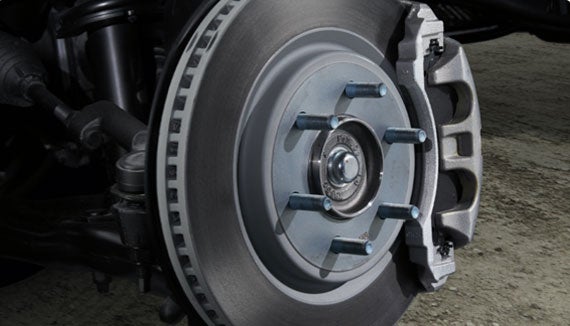
vehicle's maintenance. Why Do Brakes Squeak After It Rains? Most modern Ford vehicles use disc brakes,
which rely on brake pads pressing against
metal rotors to slow the vehicle. Brake
rotors are commonly made with iron-based
materials that can develop a thin layer
of oxidation when exposed to moisture
and oxygen. After rain, morning dew, or even a car wash,
a light coating of surface rust can form
on the exposed rotor surfaces. When you
first apply the brakes, the brake pads
contact this layer, sometimes creating
temporary squeaking or scraping noises. As the vehicle is driven and the brakes
are applied normally, the pads often
remove the light surface oxidation.
The noise may then fade or disappear
entirely. Quick Answer: Is Brake Squeaking After Rain Normal? Sometimes, yes. A brief squeak or
light scraping noise during the first few
normal brake applications after wet weather
can result from surface moisture or light
rotor rust. If the noise disappears and
your vehicle brakes normally, it may
be temporary. Persistent squealing,
heavy grinding, vibration, or changes
in braking performance should be
professionally inspected. Why Brake Noise Is Common During Western Washington's Rainy Season Western Washington's wet fall and winter
months create favorable conditions for
temporary brake rotor corrosion.
Frequent rain, overnight humidity, and
cool temperatures can keep exposed brake
components damp for extended periods. This is particularly relevant for drivers
in Sumner, Bonney Lake, and Lake Tapps who
regularly park their vehicles outdoors.
Even when it isn't actively raining,
overnight condensation can leave moisture
on exposed metal surfaces. A Ford F-150, Explorer, Escape, or Bronco
that has been parked overnight may
occasionally make a brief noise during
the first stops of the morning. The same
can happen after a vehicle sits unused
for several days. While light surface rust is often normal,
prolonged exposure to moisture can also
contribute to more significant corrosion.
Persistent noise should not automatically
be dismissed as a seasonal issue. Surface Rust vs. Worn Brake Pads: How Can You Tell the Difference? Not every squeaking brake is caused by
rain. Brake pads, rotors, and related
hardware experience wear over time,
and some sounds can indicate that
service is needed. Temporary Brake Noise Caused by Moisture Moisture-related brake noise generally
has a few recognizable characteristics: The noise occurs after rain, a car wash,
or overnight parking. Squeaking or light scraping is most
noticeable during the first few
normal brake applications. The sound gradually disappears as
the brakes are used. Braking performance feels normal,
without unusual vibration, pulling,
or changes in pedal response. These signs can suggest temporary
moisture-related noise, but they cannot
confirm the condition of the brake
components without an inspection. Brake Noise That May Indicate Worn Pads or Other Problems Brake pads gradually wear down with
use. Some designs include wear
indicators that produce a high-pitched
squeal when the friction material
reaches a certain thickness. Other possible causes of persistent
brake noise include: Worn brake pads: Thin friction material or brake pad
wear indicators may create ongoing
squealing. Uneven or damaged rotors: Rotor condition can contribute to
noise, vibration, or pulsation
during braking. Debris near the brakes: Small stones, road grit, or other
material can sometimes become
trapped around brake components. Brake hardware problems: Worn, loose, or sticking components
can cause abnormal noise or uneven
brake wear. Corrosion beyond light surface rust: Heavy rust or rotor pitting may
require professional attention. The exact cause cannot reliably be
determined from sound alone. A qualified
technician can inspect the brake
system to identify what needs
attention. When Should You Worry About Squeaking or Grinding Brakes? Occasional squeaking after wet weather
does not always mean your Ford needs
new brakes. However, certain symptoms
deserve prompt attention, especially
when they continue beyond the first
few normal stops. Brake Warning Signs You Shouldn't Ignore Persistent squealing: The noise continues throughout
your drive, even after the
brakes have been used. Harsh metallic grinding: A loud grinding sound can indicate
significant brake wear or
another mechanical problem. Steering wheel or pedal vibration: Shaking or pulsation during braking
may indicate rotor or other
brake system concerns. Pulling to one side: The vehicle drifts noticeably
left or right while braking. Changes in pedal feel: An unusually soft, sinking, or
difficult-to-press brake pedal
may indicate a serious issue. Brake warning lights: A brake system warning light
should be investigated according
to your Ford owner's manual. If your Ford has reduced braking
ability, a pedal that sinks toward
the floor, or other symptoms that
make the vehicle unsafe to operate,
stop driving when it is safe to
do so and arrange professional
assistance or towing. Concerned About Your Ford's Brakes? Don't ignore brake noise that persists
or affects your vehicle's performance.
The service team at Sunset Ford of
Sumner can inspect your braking
system and help determine whether
maintenance or repair is necessary. Schedule Ford Brake Service View Current Service Specials What Should You Do If Your Ford Brakes Squeak After Rain? If you notice a new brake noise
after wet weather, the safest
approach is to observe the
circumstances without attempting
to force the noise to disappear. Notice when the sound occurs. Does it happen only after overnight
parking or every time you
apply the brakes? Pay attention to braking performance. Watch for unusual vibration,
pulling, reduced stopping
ability, or changes in pedal feel. Use the brakes normally. If the vehicle feels safe to
operate, light moisture-related
noise may disappear during
ordinary driving. Do not use
aggressive or repeated hard
stops to remove rust. Schedule an inspection if the noise continues. Persistent, worsening, or
unfamiliar sounds should be
evaluated by a professional. Avoid attempting to solve brake
noise by applying lubricants,
sprays, or other products to
brake friction surfaces. Doing
so can compromise braking
performance. How Often Should Ford Brakes Be Inspected? Brake inspection intervals vary
depending on your Ford model,
driving conditions, and the
maintenance schedule provided
by the manufacturer. Frequent stop-and-go driving,
steep roads, towing, and other
demanding conditions can affect
brake wear. For drivers traveling
around Sumner, Bonney Lake,
and Lake Tapps, it makes sense
to pay attention to changes
in braking performance throughout
the year. Reviewing your owner's manual
and having your brakes checked
during recommended maintenance
visits can help identify worn
components before they become
more serious problems. At Sunset Ford of Sumner's Service Department,
trained technicians can evaluate
brake-related concerns and
recommend appropriate service
based on your vehicle's condition. Frequently Asked Questions About Brakes Squeaking After Rain Why do my Ford brakes squeak in the morning but stop later? Overnight moisture can cause
a thin coating of surface rust
to form on brake rotors.
When the pads contact this
layer during the first few
normal brake applications,
temporary squeaking or light
scraping can occur. The
sound may disappear as
the surface oxidation
wears away. Does rust on brake rotors mean they need to be replaced? Not necessarily. Light surface
rust is common on exposed
iron-based brake rotors,
particularly in damp conditions.
However, heavy corrosion,
pitting, or ongoing brake
noise should be inspected
to determine whether
repair or replacement
is necessary. How long should brakes squeak after rain? Light moisture-related
noise often disappears
after the first few
normal brake applications.
There is no guaranteed
time or number of stops.
If the sound persists
throughout your drive,
becomes worse, or comes
with braking problems,
schedule an inspection. Can washing my Ford cause the brakes to squeak? Yes. Water from a car wash
can leave moisture on the
brake rotors and pads.
This may cause temporary
noise similar to what
happens after rainfall.
Persistent or unusual
sounds should still
be checked. Where can I schedule Ford brake service near Bonney Lake and Lake Tapps? Sunset Ford of Sumner offers
Ford brake inspections,
maintenance, and repairs
at its service department
in Sumner, WA. Drivers
from Bonney Lake, Lake Tapps,
and surrounding communities
can schedule a service appointment online or contact the service team
for assistance. Schedule Ford Brake Service at Sunset Ford of Sumner Brake noise after a rainy night
isn't always a reason for concern,
but knowing the difference
between temporary moisture-related
sounds and signs of brake wear
can help protect your vehicle's
performance. If your Ford continues squeaking,
grinding, or behaving differently
when you brake, the technicians
at Sunset Ford of Sumner can
help identify the cause.
Our service department assists
drivers throughout Sumner,
Bonney Lake, Lake Tapps,
and the surrounding area
with routine maintenance,
brake inspections, and repairs. You can also review our current Ford service specials before your appointment to
see whether any available
offers apply to your visit. Keep Your Ford's Brakes Ready for Washington Roads Have questions about squeaking
brakes or possible brake wear?
Schedule an inspection with
Sunset Ford of Sumner and
get guidance on your
vehicle's braking system. Schedule Brake Service Call Our Service Department Sunset Ford of Sumner 6616 166th Avenue East Sumner, WA 98390 Service: 253-321-5772