Sunset Ford of Sumner

Blog

All Sumner Ford Dealer Ford Model Features Ford Trucks Sumner Ford Service Ford Expedition Ford Mobile Service Sumner Sumner Used Cars Sunset Ford of Sumner Service 2026 Ford Bronco Ford Escape Plug-In Hybrid Ford SUVs Ford Engine Oil Leak
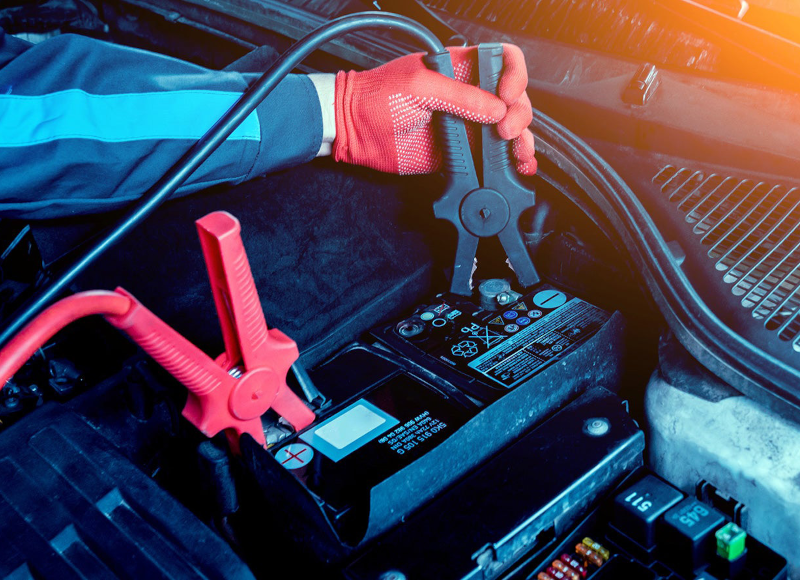
Ford Battery Getting Jumped
in Sumner Ford Dealer

Why Does My Ford Battery Keep Dying? Common Alternator, Charging System, and Electrical Problems Explained

If your Ford battery keeps dying, the cause may be an aging battery, a failing alternator, an electrical component draining power while the vehicle is parked, or a problem with the charging system. A battery that repeatedly needs a jump-start does not necessarily need replacement, especially if another electrical problem is preventing it from maintaining a charge. For Ford drivers in Sumner, WA, understanding these common causes can help you recognize warning signs and determine when to schedule a professional battery and charging system inspection. Schedule Ford Battery Service View Service Specials Why Does My Ford Battery Keep Dying? The most common reasons a Ford battery repeatedly dies include battery deterioration, charging system problems, excessive electrical drain, and insufficient charging during short trips. Each problem can produce similar symptoms, but the appropriate repair depends on the underlying cause. For example, your Ford F-150 might start normally after a jump but struggle again the following morning. Or your Ford Escape might show a battery warning light while driving along Highway 410. Although these situations can both involve the battery, they may have different causes. A professional inspection can help determine whether the battery is failing, the vehicle is not charging properly, or an electrical component is drawing excessive power. 1. An Aging or Weak Ford Battery Car batteries gradually lose their ability to store and deliver electrical energy. Eventually, an older battery may no longer provide enough power to start the engine reliably. Many conventional vehicle batteries last approximately three to five years, although actual lifespan depends on driving habits, temperature, battery type, and maintenance. Common signs of a weak battery include: Slow or sluggish engine cranking. Repeated clicking when attempting to start the vehicle. Interior lights dimming noticeably during startup. Needing frequent jump-starts. Difficulty starting after the vehicle has been parked. Electrical accessories behaving inconsistently. These symptoms are not exclusive to a failing battery, but they provide useful information for diagnosing the problem. Cold mornings around Bonney Lake and Enumclaw can make an already weakened battery more noticeable because low temperatures reduce available battery performance while increasing the demands of starting an engine. What to do: Have the battery tested before replacing it. A technician can evaluate its condition and determine whether it still provides adequate starting power. 2. A Failing Alternator or Charging System In most gasoline-powered Ford vehicles, the alternator generates electricity while the engine is running. It supplies power to electrical systems and helps recharge the 12-volt battery. If the alternator or another charging system component begins failing, the battery may gradually lose power even while you drive. Warning signs of a possible charging system problem include: A battery or charging system warning light appearing while the engine is running. Headlights becoming unusually dim or changing brightness. Electrical accessories malfunctioning. A battery that repeatedly loses its charge despite testing in acceptable condition. The engine stalling or the vehicle losing electrical power. For example, if your Ford starts after a jump but later stalls during a drive between Sumner and Lake Tapps, a charging system problem may be responsible. However, these symptoms can also result from wiring problems, poor electrical connections, or other faults. An alternator should not be replaced without confirming the diagnosis. If a charging warning appears while driving, find a safe place to stop and follow your owner's manual. If electrical systems are failing or the engine stalls, arrange roadside assistance rather than continuing to drive. Dead Battery vs. Bad Alternator: How Can You Tell? A weak battery and a failing alternator can create overlapping symptoms. The following comparison highlights common patterns, although testing is necessary for an accurate diagnosis. Symptom Possible Battery Problem Possible Charging System Problem Slow engine cranking Common Possible if battery is not recharging Repeated jump-starts Common Also possible Battery warning while driving Possible Often indicates charging system concern Headlights dim while engine runs Possible Possible charging issue Starts but later stalls Possible Potential charging system failure Dies after sitting overnight Possible weak battery Could also involve an electrical drain A battery test evaluates the battery's condition, while a charging system test checks whether the vehicle is supplying the electrical power it needs. In some situations, both tests are necessary to identify the underlying problem. 3. Parasitic Battery Drain: Why Does My Ford Die Overnight? Parasitic battery drain occurs when an electrical component continues drawing more power than expected after the vehicle has been turned off. Modern Ford vehicles use multiple electronic control modules, sensors, and connected features. Some electrical activity after shutdown is normal, but excessive current draw can discharge the battery while the vehicle is parked. Potential causes include: Interior, cargo, or glovebox lights remaining illuminated. Aftermarket dash cameras or electrical accessories drawing power. Faulty relays or electrical modules. Damaged wiring or electrical connections. An electronic component that fails to enter its normal low-power state. For example, a Ford Explorer parked overnight in a driveway in Sumner might start normally one day but have insufficient battery power the following morning. If the battery tests in good condition and the charging system operates correctly, a technician may perform a parasitic draw test to determine whether an electrical component is consuming excessive power while the vehicle is off. Replacing the battery without correcting an ongoing electrical drain may result in the same problem returning. 4. Frequent Short Trips and Low Battery Charge Short trips can also contribute to battery problems, particularly when a vehicle makes repeated starts without spending enough time running to replenish the energy used. For drivers making frequent short trips around Sumner or Bonney Lake, the charging system may not always restore the battery to a sufficient state of charge between starts. This can become more noticeable when using electrical features such as heated seats, window defrosters, lighting, and other accessories. Several factors influence how much charging occurs, including engine operating conditions, electrical demand, battery condition, and the vehicle's charging management system. Occasional short trips are normal, but a pattern of repeated low-charge conditions should be evaluated. A weak battery or charging system problem can make the situation worse. 5. Corroded Battery Terminals or Loose Connections A healthy battery may still have difficulty delivering electrical power if its terminals or cables are damaged, loose, or corroded. Corrosion can interfere with the electrical connection between the battery and the vehicle. Loose connections may also cause intermittent starting problems or electrical issues. Common warning signs include visible corrosion around battery terminals, intermittent starting difficulties, and inconsistent electrical behavior. A technician can inspect the battery connections, cables, and related components to determine whether cleaning, tightening, or replacement is needed. Drivers should avoid handling damaged or leaking batteries without appropriate safety precautions. Battery acid and electrical components can present injury hazards. 6. Battery Monitoring Systems and Replacement Requirements Many newer Ford vehicles use a Battery Management System that monitors battery conditions and helps manage charging and electrical demand. On certain Ford models, battery replacement may require a battery monitoring system reset or other manufacturer-specified procedures. Installing the wrong battery type or capacity may also affect vehicle operation. Some Ford vehicles equipped with Auto Start-Stop technology require batteries designed for their electrical demands. Because these requirements vary by model and year, it is important to select a replacement battery that meets the vehicle's specifications. At Sunset Ford of Sumner, our service team can help identify the appropriate battery and determine whether additional procedures are required after installation. What Should You Do If Your Ford Won't Start? If your Ford fails to start, the following observations may help explain the symptoms to a service technician. Listen when starting: Slow cranking or repeated clicking may indicate insufficient electrical power, although other starting system problems are possible. Look for warning messages: Note any battery, charging system, or electrical warnings displayed on the dashboard. Consider recent driving: Frequent short trips or extended periods without driving can contribute to low battery charge. Check for obvious electrical issues: Interior lights or accessories left on may have discharged the battery. Remember when the problem started: Recent battery replacement, accessory installation, or electrical repair may provide useful diagnostic clues. If jump-starting is appropriate, follow the procedures in your Ford owner's manual. Battery access points and jump-starting requirements differ by model, particularly for hybrid and electric vehicles. Never disconnect a battery cable while the engine is running to test the alternator. Doing so can create electrical hazards and potentially damage vehicle electronics. If the vehicle repeatedly loses power, schedule an inspection instead of relying on continued jump-starts. How Does Sunset Ford Diagnose Battery and Electrical Problems? When a Ford repeatedly loses battery power, identifying the cause can involve more than installing a replacement battery. Depending on the vehicle's symptoms, a technician may recommend: Battery condition testing: Evaluating battery health, charge level, and starting capability. Charging system testing: Checking charging performance and related components. Battery terminal inspection: Looking for corrosion, loose cables, and poor electrical connections. Electrical system diagnostics: Checking relevant fault codes and vehicle systems. Parasitic draw testing: Investigating excessive electrical consumption after shutdown. The appropriate tests depend on the symptoms and vehicle configuration. A professional diagnosis helps distinguish between a battery that needs replacement and a separate issue that is causing the battery to discharge. When Should You Schedule Ford Battery Service? Consider scheduling a battery and charging system inspection if your Ford: Needs more than one jump-start. Cranks slowly or struggles to start. Displays a charging system warning. Repeatedly loses charge while parked. Has visible corrosion or damaged battery connections. Experiences recurring electrical problems after battery replacement. Persistent battery problems can eventually leave you stranded. Addressing the symptoms before the vehicle becomes inoperable can help identify the issue under more convenient circumstances. Our Ford service department in Sumner can assist with battery testing, inspections, and electrical diagnostics. You can also check our current service and parts specials for applicable maintenance offers. Frequently Asked Questions About Ford Battery Problems Why does my Ford battery keep dying even after I replace it? If a new battery repeatedly loses its charge, the problem may involve the charging system, parasitic electrical drain, poor connections, or an incorrect battery installation or specification. A diagnostic inspection can help determine the cause rather than assuming another replacement is necessary. Can a bad alternator drain my Ford battery? Yes. A malfunctioning alternator may fail to recharge the battery adequately while the engine is running. Certain alternator faults can also contribute to unwanted electrical drain when the vehicle is parked. Why does my Ford battery die after sitting for two days? A battery that loses enough charge to prevent starting after only a short period of parking may be weak, insufficiently charged, or affected by excessive electrical drain. Battery and electrical system testing can help distinguish these possibilities. How long should a Ford car battery last? Many conventional 12-volt vehicle batteries last approximately three to five years, but lifespan depends on battery type, climate, driving conditions, and electrical demands. Battery testing is more reliable than age alone for determining whether replacement is needed. Does a battery warning light always mean I need a new battery? No. A battery or charging system warning while driving can indicate problems with the alternator, charging controls, wiring, or other electrical components. Follow the vehicle's warning instructions and have the system inspected promptly. Can Sunset Ford of Sumner replace my Ford battery? Yes. Sunset Ford of Sumner offers battery testing and maintenance services. Our team can inspect your vehicle's battery and charging system, recommend an appropriate replacement when needed, and address applicable vehicle-specific installation requirements. Schedule Ford Battery Testing and Electrical Service in Sumner, WA If your Ford battery keeps dying, the problem may extend beyond the battery itself. From worn batteries and charging system failures to electrical drains and damaged connections, identifying the underlying cause is an important part of restoring reliable operation. At Sunset Ford of Sumner, our Ford service team can help drivers with battery testing, replacement, charging system concerns, and other electrical issues. Located at 6616 166th Avenue East in Sumner, WA, we welcome Ford owners from Bonney Lake, Lake Tapps, Enumclaw, and surrounding communities. We also offer Ford Mobile Service for select maintenance needs, including certain battery services, subject to availability and service eligibility. Whether your F-150 struggles to start, your Explorer repeatedly needs a jump, or your Escape displays a charging system warning, our team can help determine the appropriate next steps. Schedule Battery Service Explore Ford Mobile Service This article provides general information about 12-volt battery and charging system concerns. Symptoms and diagnostic procedures vary by vehicle, including hybrid and electric Ford models. Always consult your owner's manual and seek professional assistance when necessary. If your vehicle stalls, loses electrical power while driving, or becomes unsafe to operate, stop safely and arrange assistance.

Read More
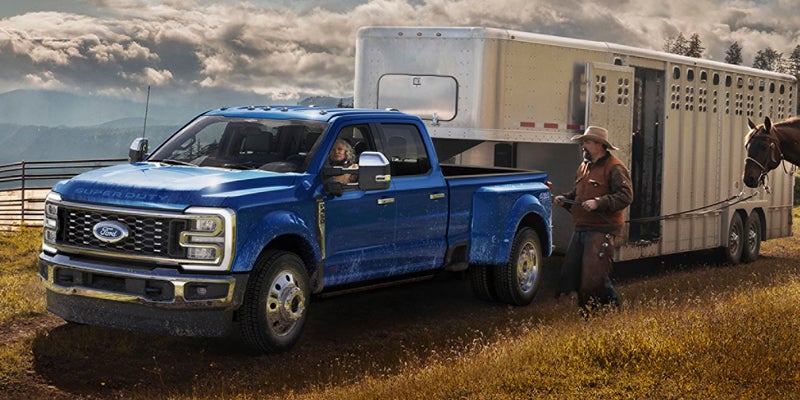
2027 Ford F-250 Towing a Horse Trailer

2027 Ford F-250 Gas vs. Diesel: Comparing Towing Capacity, Engine Performance, Maintenance, and Everyday Driving

The 2027 Ford F-250 Super Duty offers two powerful engine choices: a standard 7.3L V8 gasoline engine and an available 6.7L High-Output Power Stroke turbo-diesel. The gasoline engine delivers strong capability with generally simpler maintenance requirements, while the diesel provides substantially more torque for demanding towing and hauling. For drivers comparing the 2027 Ford F-250 gas vs. diesel in Sumner, WA, the right engine depends on how often you tow, the weight of your equipment, your driving habits, and long-term ownership costs. Shop New Ford Super Duty Trucks Schedule a Test Drive 2027 Ford F-250 Gas vs. Diesel: Key Differences The biggest difference between the 2027 F-250 gas and diesel engines is torque and maximum towing capability. The 7.3L gas V8 offers substantial power for everyday work and recreational hauling, while the High-Output Power Stroke diesel provides additional low-RPM torque for regularly pulling heavier trailers. Specification 7.3L V8 Gas 6.7L High-Output Diesel Availability Standard Available Horsepower 420 hp 500 hp Torque 445 lb.-ft. 1,200 lb.-ft. Transmission 10-speed automatic 10-speed automatic Maximum Conventional Towing 18,200 lbs. 22,000 lbs. Maximum Gooseneck Towing 19,500 lbs. 23,000 lbs. Fuel Type Gasoline Diesel Maintenance Considerations Generally simpler engine service Additional diesel-specific maintenance and emissions equipment Primary Advantage Versatility and ownership simplicity High torque and heavier towing capability Maximum towing ratings are for specific properly equipped 2027 F-250 configurations and are not available on every truck. Ratings depend on cab, drivetrain, axle ratio, equipment, and other factors. Horsepower and torque are independent ratings. What's New for the 2027 Ford F-250 Engines? Ford has simplified the Super Duty engine lineup for 2027. The 7.3L V8 gasoline engine is now standard on F-250 models, replacing the previous standard 6.8L V8. The available diesel option has also changed. Instead of offering separate standard-output and high-output 6.7L Power Stroke engines, the 2027 F-250 features the High-Output version as its available diesel powertrain. This gives shoppers two distinct options: a naturally aspirated gasoline V8 designed for versatile heavy-duty work or a turbocharged diesel V8 emphasizing high torque and maximum towing performance. Engine Performance: 7.3L Gas V8 vs. 6.7L Power Stroke Diesel 2027 F-250 7.3L V8 Gas Engine The standard 7.3L gasoline V8 produces 420 horsepower and 445 lb.-ft. of torque. Its naturally aspirated design delivers strong performance without requiring a turbocharger. For contractors working around Sumner and Auburn, the gas-powered F-250 offers substantial capability for transporting materials, carrying tools, and towing properly matched equipment trailers. Drivers who primarily use their trucks for commuting, occasional hauling, and weekend towing may find the 7.3L V8 provides the performance they need without the additional complexity of diesel-specific engine and emissions systems. 2027 F-250 6.7L High-Output Power Stroke Diesel The available 6.7L High-Output Power Stroke turbo-diesel produces 500 horsepower and an impressive 1,200 lb.-ft. of torque. That substantial torque output is especially useful when pulling heavy trailers, accelerating with substantial loads, or maintaining performance on inclines. For drivers regularly towing construction equipment, large recreational trailers, or other heavy loads through the Cascade foothills near Enumclaw, the diesel's torque can provide a meaningful advantage. Both engines are paired with a TorqShift 10-speed automatic transmission designed to manage power delivery across different driving and towing conditions. Which 2027 Ford F-250 Has More Towing Capacity? The diesel-powered 2027 F-250 offers greater maximum towing capacity. When properly equipped, it can tow up to 22,000 pounds with a conventional trailer or 23,000 pounds using a gooseneck configuration. The gas-powered F-250 is also highly capable, offering maximum conventional towing of 18,200 pounds and gooseneck towing of up to 19,500 pounds in qualifying configurations. However, choosing the correct truck requires more than comparing maximum ratings. Drivers must consider the loaded trailer weight, hitch type, axle ratio, cab configuration, drivetrain, and available payload. When Is the Gas F-250 Enough for Towing? A gas-powered F-250 may be appropriate for drivers who occasionally tow utility trailers, equipment, recreational vehicles, or work supplies that fall comfortably within the truck's specific ratings. For example, a contractor in Bonney Lake transporting tools and a loaded utility trailer to a job site in Sumner may not need the diesel's additional torque if the combined load is within the gas truck's capabilities. Similarly, drivers who tow a travel trailer only a few times throughout the year may find the gas engine sufficient, depending on the trailer's loaded weight and the truck's configuration. When Does the Diesel F-250 Make More Sense? The diesel becomes particularly appealing when towing is a frequent part of your routine. Drivers regularly hauling heavy equipment, pulling larger trailers, or traveling through hilly terrain may appreciate the diesel's low-RPM torque and additional available towing capacity. For example, a business transporting heavy machinery between Auburn and Enumclaw may benefit from the High-Output Power Stroke's capability, especially when operating near the upper towing limits of properly configured trucks. Remember that trailer tongue weight or gooseneck pin weight also counts against the truck's payload capacity. A higher tow rating does not automatically mean every trailer can be safely carried by every F-250. Payload Capacity: Does Gas or Diesel Carry More Weight? Payload refers to the weight a truck can carry, including passengers, tools, equipment, cargo, and trailer tongue or pin weight. Although the diesel offers greater towing potential, that does not automatically mean it provides greater payload capacity. Diesel engines and their associated equipment are generally heavier than comparable gasoline powertrains. As a result, a gas-powered F-250 may offer more available payload than a similarly configured diesel model. This difference can matter for construction crews or businesses that routinely carry heavy materials directly in the truck bed. For example, a driver transporting tools, landscaping materials, and job-site supplies around Sumner may benefit more from available payload capacity than maximum towing performance. Because payload ratings change with equipment and configuration, shoppers should check the individual truck's Tire and Loading Information label and Safety Compliance Certification Label rather than relying on a general maximum rating. Fuel Economy: Is the F-250 Diesel More Efficient Than Gas? Fuel efficiency is another important consideration when comparing gas and diesel Super Duty trucks. Diesel engines can offer fuel-efficiency advantages under certain operating conditions, particularly during sustained highway driving and heavy towing. However, actual fuel consumption varies based on trailer weight, driving conditions, gearing, and driving habits. Heavy-duty trucks such as the F-250 are generally not required to display EPA fuel economy estimates, so shoppers should be cautious about comparing unofficial MPG claims. When evaluating fuel costs, consider: Annual mileage: Drivers covering substantial distances may place greater importance on fuel consumption. Fuel prices: Gasoline and diesel prices vary, affecting the cost of each mile driven. Towing frequency: Heavy trailers increase fuel consumption regardless of engine type. Driving conditions: Highway travel, stop-and-go traffic, and steep grades can affect efficiency differently. Diesel Exhaust Fluid: Diesel models require DEF as part of their emissions-control system, adding another operating expense. For someone commuting between Bonney Lake and Sumner without regularly towing, the gasoline engine's lower expected purchase and maintenance costs may outweigh a potential diesel fuel-efficiency advantage. For drivers covering substantial highway mileage while transporting heavy loads, the diesel may be worth considering as part of a complete ownership-cost comparison. Maintenance Costs: Is a Gas F-250 Cheaper to Maintain Than a Diesel? The gasoline-powered F-250 generally has simpler routine maintenance requirements because it does not use diesel-specific fuel filtration and exhaust aftertreatment equipment. Gas Engine Maintenance Routine maintenance for the 7.3L gas V8 includes engine oil and filter changes, air filter inspections, spark plug replacement at the appropriate interval, and other manufacturer-recommended services. This relatively straightforward maintenance may appeal to drivers who use their trucks for occasional towing, short commutes, and general transportation. Diesel Engine Maintenance The 6.7L Power Stroke requires additional attention to components associated with its diesel fuel and emissions systems. Maintenance and operating considerations include: Diesel engine oil and filter service. Diesel fuel filter replacement. Diesel Exhaust Fluid replenishment. Proper operation of the diesel particulate filter and regeneration system. Maintenance according to operating conditions and Ford's recommended schedules. Diesel particulate filter regeneration is particularly relevant for drivers who frequently make short trips. Certain driving conditions may not allow active regeneration to complete normally, making it important to follow the vehicle's instructions and recommended maintenance practices. Neither engine's long-term ownership cost can be determined from maintenance requirements alone. Purchase cost, repairs, fuel consumption, towing demands, and annual mileage all matter. Everyday Driving: Which F-250 Is Better for Commuting? The F-250 Super Duty is designed for substantial work and towing capability, but many owners also use their trucks for everyday transportation. For commuting along Highway 410 or traveling between Sumner and Auburn, the gasoline V8 offers strong acceleration and a powertrain suited to varied driving conditions. The diesel also delivers substantial performance, particularly when additional torque is needed. However, drivers who primarily make short, unloaded trips may not take full advantage of its heavy-towing capabilities. Both engines are available across a range of F-250 configurations, with cabin comfort, technology, and convenience features depending primarily on trim level and selected equipment. Drivers should also consider the truck's overall dimensions, parking requirements, bed length, and whether available four-wheel drive would benefit their daily activities. Which 2027 Ford F-250 Engine Fits Your Needs? Choose the 7.3L V8 gasoline engine if: You primarily use your truck for everyday transportation and work. You tow occasionally rather than carrying heavy trailers every day. You want generally simpler engine maintenance. You frequently carry tools or materials and want to compare available payload ratings. You prefer to avoid the additional purchase cost of the available diesel engine. Consider the 6.7L High-Output Power Stroke diesel if: You regularly tow heavy trailers or machinery. You need the F-250's highest available towing capability. You frequently travel through hilly terrain with substantial loads. You value strong low-RPM torque for demanding towing. Your annual mileage and operating requirements justify evaluating the diesel's additional ownership costs. For contractors, recreational vehicle owners, and drivers throughout Sumner, Bonney Lake, Enumclaw, and Auburn, selecting the right engine starts with identifying the weight and frequency of your actual towing and hauling needs. Frequently Asked Questions About the 2027 F-250 Gas vs. Diesel Is the 7.3L gas engine standard on the 2027 Ford F-250? Yes. The 7.3L V8 gasoline engine is now standard on the 2027 Ford F-250. The available diesel option is the 6.7L High-Output Power Stroke V8 turbo-diesel. How much horsepower does the 2027 F-250 diesel have? The 2027 F-250's available 6.7L High-Output Power Stroke produces 500 horsepower and 1,200 lb.-ft. of torque. The standard 7.3L gas V8 produces 420 horsepower and 445 lb.-ft. of torque. How much can the 2027 Ford F-250 tow with the gas engine? A properly equipped 2027 F-250 with the 7.3L gas V8 can tow up to 18,200 pounds conventionally or up to 19,500 pounds with a gooseneck trailer. Specific ratings vary by equipment and configuration. Is the Ford F-250 diesel worth it if I don't tow often? Not necessarily. The diesel's additional torque and towing capability are valuable for demanding work, but drivers who rarely tow heavy loads may find the standard gas V8 better suited to their needs and ownership budget. Does a diesel F-250 have more payload than a gas F-250? Not automatically. Because diesel powertrains generally weigh more, similarly configured gasoline trucks may provide greater available payload. Compare the specific vehicles' ratings before choosing an engine. Which F-250 engine is better for towing a large travel trailer? Both engines can tow compatible travel trailers, but the diesel offers greater maximum towing capacity and substantially more low-RPM torque. The correct choice depends on the trailer's loaded weight, tongue or pin weight, towing frequency, and the truck's individual ratings. Compare 2027 Ford F-250 Gas and Diesel Trucks at Sunset Ford of Sumner The 2027 Ford F-250 provides two distinct engine choices for drivers who need heavy-duty capability. The standard 7.3L V8 gas engine offers substantial performance and generally simpler maintenance, while the available 6.7L High-Output Power Stroke diesel delivers additional torque and towing capacity for more demanding applications. At Sunset Ford of Sumner, located at 6616 166th Avenue East in Sumner, WA, our team can help drivers from Bonney Lake, Enumclaw, Auburn, and surrounding communities compare available gas and diesel Super Duty trucks. We can help you review engine options, cab configurations, towing equipment, and payload ratings to identify a truck that fits your work and recreational needs. Qualifying purchases may also include Sunset Exclusives, such as Oil Changes for Life and Warranty Protection for Life, subject to applicable program terms and eligibility requirements. Explore our new Ford Super Duty inventory and visit Sunset Ford of Sumner to compare available F-250 configurations in person. Shop New Ford F-250 Trucks Schedule a Test Drive Vehicle specifications, engine availability, towing capacity, payload ratings, and equipment vary by configuration. Maximum towing figures require properly equipped vehicles and are not applicable to all F-250 models. Always consult the vehicle's certification labels, owner's manual, and Ford's current towing guide before towing or hauling. Dealer inventory and program eligibility are subject to change.
Ford Brake Service in Sumner, WA

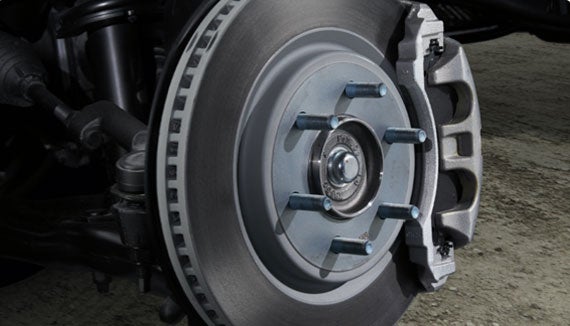
Why Do My Ford Brakes Squeak After It Rains? Understanding Moisture, Surface Rust, and When Brake Noise Is a Problem

If you've noticed your Ford brakes squeaking after rain, you're not alone. Moisture can cause temporary surface rust to develop on brake rotors, particularly when a vehicle sits outside overnight. This can lead to squeaking, squealing, or light scraping sounds during the first few brake applications. In many cases, the noise disappears as the brakes are used normally. However, persistent or unusually loud brake noise may indicate a problem that needs attention. Schedule a Brake Inspection Explore Ford Brake Services For Ford owners around Sumner, Bonney Lake, and Lake Tapps, frequent rainfall and damp conditions make moisture-related brake noise a familiar concern. Understanding why it happens, what sounds are generally temporary, and when professional brake service is necessary can help you make informed decisions about your vehicle's maintenance. Why Do Brakes Squeak After It Rains? Most modern Ford vehicles use disc brakes, which rely on brake pads pressing against metal rotors to slow the vehicle. Brake rotors are commonly made with iron-based materials that can develop a thin layer of oxidation when exposed to moisture and oxygen. After rain, morning dew, or even a car wash, a light coating of surface rust can form on the exposed rotor surfaces. When you first apply the brakes, the brake pads contact this layer, sometimes creating temporary squeaking or scraping noises. As the vehicle is driven and the brakes are applied normally, the pads often remove the light surface oxidation. The noise may then fade or disappear entirely. Quick Answer: Is Brake Squeaking After Rain Normal? Sometimes, yes. A brief squeak or light scraping noise during the first few normal brake applications after wet weather can result from surface moisture or light rotor rust. If the noise disappears and your vehicle brakes normally, it may be temporary. Persistent squealing, heavy grinding, vibration, or changes in braking performance should be professionally inspected. Why Brake Noise Is Common During Western Washington's Rainy Season Western Washington's wet fall and winter months create favorable conditions for temporary brake rotor corrosion. Frequent rain, overnight humidity, and cool temperatures can keep exposed brake components damp for extended periods. This is particularly relevant for drivers in Sumner, Bonney Lake, and Lake Tapps who regularly park their vehicles outdoors. Even when it isn't actively raining, overnight condensation can leave moisture on exposed metal surfaces. A Ford F-150, Explorer, Escape, or Bronco that has been parked overnight may occasionally make a brief noise during the first stops of the morning. The same can happen after a vehicle sits unused for several days. While light surface rust is often normal, prolonged exposure to moisture can also contribute to more significant corrosion. Persistent noise should not automatically be dismissed as a seasonal issue. Surface Rust vs. Worn Brake Pads: How Can You Tell the Difference? Not every squeaking brake is caused by rain. Brake pads, rotors, and related hardware experience wear over time, and some sounds can indicate that service is needed. Temporary Brake Noise Caused by Moisture Moisture-related brake noise generally has a few recognizable characteristics: The noise occurs after rain, a car wash, or overnight parking. Squeaking or light scraping is most noticeable during the first few normal brake applications. The sound gradually disappears as the brakes are used. Braking performance feels normal, without unusual vibration, pulling, or changes in pedal response. These signs can suggest temporary moisture-related noise, but they cannot confirm the condition of the brake components without an inspection. Brake Noise That May Indicate Worn Pads or Other Problems Brake pads gradually wear down with use. Some designs include wear indicators that produce a high-pitched squeal when the friction material reaches a certain thickness. Other possible causes of persistent brake noise include: Worn brake pads: Thin friction material or brake pad wear indicators may create ongoing squealing. Uneven or damaged rotors: Rotor condition can contribute to noise, vibration, or pulsation during braking. Debris near the brakes: Small stones, road grit, or other material can sometimes become trapped around brake components. Brake hardware problems: Worn, loose, or sticking components can cause abnormal noise or uneven brake wear. Corrosion beyond light surface rust: Heavy rust or rotor pitting may require professional attention. The exact cause cannot reliably be determined from sound alone. A qualified technician can inspect the brake system to identify what needs attention. When Should You Worry About Squeaking or Grinding Brakes? Occasional squeaking after wet weather does not always mean your Ford needs new brakes. However, certain symptoms deserve prompt attention, especially when they continue beyond the first few normal stops. Brake Warning Signs You Shouldn't Ignore Persistent squealing: The noise continues throughout your drive, even after the brakes have been used. Harsh metallic grinding: A loud grinding sound can indicate significant brake wear or another mechanical problem. Steering wheel or pedal vibration: Shaking or pulsation during braking may indicate rotor or other brake system concerns. Pulling to one side: The vehicle drifts noticeably left or right while braking. Changes in pedal feel: An unusually soft, sinking, or difficult-to-press brake pedal may indicate a serious issue. Brake warning lights: A brake system warning light should be investigated according to your Ford owner's manual. If your Ford has reduced braking ability, a pedal that sinks toward the floor, or other symptoms that make the vehicle unsafe to operate, stop driving when it is safe to do so and arrange professional assistance or towing. Concerned About Your Ford's Brakes? Don't ignore brake noise that persists or affects your vehicle's performance. The service team at Sunset Ford of Sumner can inspect your braking system and help determine whether maintenance or repair is necessary. Schedule Ford Brake Service View Current Service Specials What Should You Do If Your Ford Brakes Squeak After Rain? If you notice a new brake noise after wet weather, the safest approach is to observe the circumstances without attempting to force the noise to disappear. Notice when the sound occurs. Does it happen only after overnight parking or every time you apply the brakes? Pay attention to braking performance. Watch for unusual vibration, pulling, reduced stopping ability, or changes in pedal feel. Use the brakes normally. If the vehicle feels safe to operate, light moisture-related noise may disappear during ordinary driving. Do not use aggressive or repeated hard stops to remove rust. Schedule an inspection if the noise continues. Persistent, worsening, or unfamiliar sounds should be evaluated by a professional. Avoid attempting to solve brake noise by applying lubricants, sprays, or other products to brake friction surfaces. Doing so can compromise braking performance. How Often Should Ford Brakes Be Inspected? Brake inspection intervals vary depending on your Ford model, driving conditions, and the maintenance schedule provided by the manufacturer. Frequent stop-and-go driving, steep roads, towing, and other demanding conditions can affect brake wear. For drivers traveling around Sumner, Bonney Lake, and Lake Tapps, it makes sense to pay attention to changes in braking performance throughout the year. Reviewing your owner's manual and having your brakes checked during recommended maintenance visits can help identify worn components before they become more serious problems. At Sunset Ford of Sumner's Service Department, trained technicians can evaluate brake-related concerns and recommend appropriate service based on your vehicle's condition. Frequently Asked Questions About Brakes Squeaking After Rain Why do my Ford brakes squeak in the morning but stop later? Overnight moisture can cause a thin coating of surface rust to form on brake rotors. When the pads contact this layer during the first few normal brake applications, temporary squeaking or light scraping can occur. The sound may disappear as the surface oxidation wears away. Does rust on brake rotors mean they need to be replaced? Not necessarily. Light surface rust is common on exposed iron-based brake rotors, particularly in damp conditions. However, heavy corrosion, pitting, or ongoing brake noise should be inspected to determine whether repair or replacement is necessary. How long should brakes squeak after rain? Light moisture-related noise often disappears after the first few normal brake applications. There is no guaranteed time or number of stops. If the sound persists throughout your drive, becomes worse, or comes with braking problems, schedule an inspection. Can washing my Ford cause the brakes to squeak? Yes. Water from a car wash can leave moisture on the brake rotors and pads. This may cause temporary noise similar to what happens after rainfall. Persistent or unusual sounds should still be checked. Where can I schedule Ford brake service near Bonney Lake and Lake Tapps? Sunset Ford of Sumner offers Ford brake inspections, maintenance, and repairs at its service department in Sumner, WA. Drivers from Bonney Lake, Lake Tapps, and surrounding communities can schedule a service appointment online or contact the service team for assistance. Schedule Ford Brake Service at Sunset Ford of Sumner Brake noise after a rainy night isn't always a reason for concern, but knowing the difference between temporary moisture-related sounds and signs of brake wear can help protect your vehicle's performance. If your Ford continues squeaking, grinding, or behaving differently when you brake, the technicians at Sunset Ford of Sumner can help identify the cause. Our service department assists drivers throughout Sumner, Bonney Lake, Lake Tapps, and the surrounding area with routine maintenance, brake inspections, and repairs. You can also review our current Ford service specials before your appointment to see whether any available offers apply to your visit. Keep Your Ford's Brakes Ready for Washington Roads Have questions about squeaking brakes or possible brake wear? Schedule an inspection with Sunset Ford of Sumner and get guidance on your vehicle's braking system. Schedule Brake Service Call Our Service Department Sunset Ford of Sumner 6616 166th Avenue East Sumner, WA 98390 Service: 253-321-5772

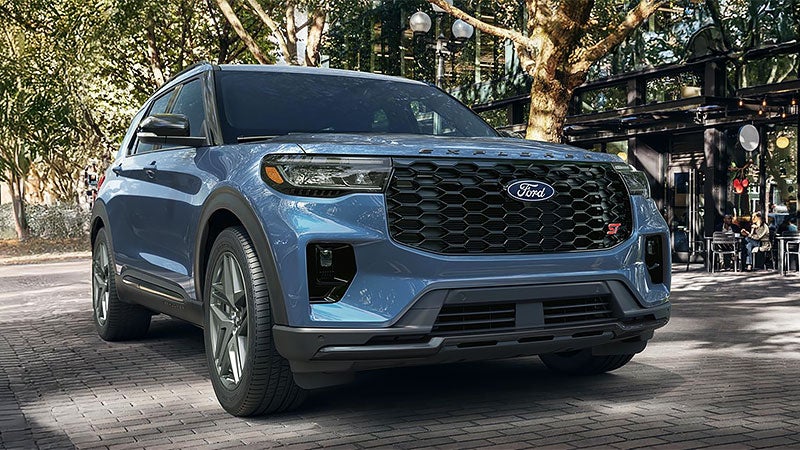
2027 Ford Explorer ST in Sumner, WA

2027 Ford Explorer Tremor vs. ST: Comparing Off-Road Capability, Engine Performance, and Everyday Driving

2027 Ford Explorer Tremor vs. ST: Comparing Off-Road Capability, Engine Performance, and Everyday Driving The 2027 Ford Explorer Tremor and ST take two different approaches to performance. The Tremor focuses on off-road capability with all-terrain tires, increased ground clearance, and specialized suspension equipment. The ST emphasizes acceleration, sporty handling, and on-road performance with its standard twin-turbocharged V6 engine. Shop New Ford Explorers Schedule a Test Drive For drivers around Sumner, Bonney Lake, and Enumclaw, choosing between the 2027 Ford Explorer Tremor vs. ST depends on how you plan to use your SUV. Both offer three rows of seating, modern technology, and enough versatility for everyday errands or weekend trips. However, their differences become more apparent when comparing engine options, suspension tuning, and driving conditions. 2027 Ford Explorer Tremor vs. ST: Key Differences at a Glance Feature 2027 Explorer Tremor 2027 Explorer ST Primary Focus Off-road capability On-road performance Standard Engine 2.3L EcoBoost I-4, 300 hp 3.0L EcoBoost V6, up to 400 hp Available Engine 3.0L EcoBoost V6, up to 400 hp 3.0L EcoBoost V6 standard Drivetrain Standard Intelligent 4WD Standard RWD; available Intelligent 4WD Suspension Off-road-tuned with increased ride height Sport-tuned with lowered ride height Ground Clearance 8.7 inches 7.8 inches Wheels and Tires 18-inch wheels with all-terrain tires 21-inch wheels with all-season tires Maximum Seating Six passengers Seven with available second-row bench Maximum Towing Up to 5,000 lbs when properly equipped Up to 5,000 lbs when properly equipped The biggest difference is not necessarily horsepower. An Explorer Tremor equipped with the available V6 can match the ST's rated output. What separates them is how their suspension, tires, and supporting equipment are designed to use that power. Engine Performance: How Do the Explorer Tremor and ST Compare? The 2027 Ford Explorer Tremor comes standard with a 2.3-liter EcoBoost four-cylinder engine producing 300 horsepower and 310 lb-ft of torque. It's a capable option for everyday driving, including commuting around Sumner and traveling through the surrounding South Puget Sound area. Drivers wanting additional power can choose the available 3.0-liter twin-turbocharged EcoBoost V6, rated at up to 400 horsepower and 415 lb-ft of torque. This brings the Tremor much closer to the ST in straight-line performance while retaining its off-road-focused equipment. The Explorer ST comes standard with the 3.0-liter EcoBoost V6. Its 10-speed automatic transmission, performance-oriented suspension, and available Intelligent 4WD complement that engine, creating an SUV designed for responsive acceleration and engaging highway driving. Both models offer plenty of power for merging onto highways and traveling through Washington's changing terrain. However, the ST is the more natural choice for someone who prioritizes sporty road manners, while the Tremor offers a different balance of performance and capability. Off-Road Capability: Where the Explorer Tremor Stands Apart The 2027 Ford Explorer Tremor features several upgrades that make it better suited for travel beyond smooth pavement. Its off-road-tuned suspension provides increased ride height, giving the Tremor 8.7 inches of ground clearance compared with 7.8 inches in the ST. That additional clearance can be useful when navigating rutted gravel roads, uneven surfaces, and other moderate obstacles. The Tremor also includes a Torsen limited-slip rear axle designed to improve traction when driving conditions become challenging. Standard Intelligent 4WD, an off-road driving mode, steel underbody deflector plates, and 18-inch wheels with all-terrain tires further support its trail-oriented design. For drivers who regularly head toward outdoor recreation areas near Enumclaw or travel on permitted unpaved access roads, these features provide advantages over the ST's road-focused setup. The ST is not without all-weather capability. Intelligent 4WD is available, and its driver-assistance and traction systems support confident everyday driving. However, its performance-oriented tires, lower ground clearance, and sport suspension are not designed with the same off-pavement priorities. The Tremor remains a three-row family SUV rather than a dedicated rock-crawling vehicle. Drivers should still consider road conditions, tire capabilities, and access restrictions before traveling off pavement. Suspension and Handling: Which Explorer Is Better for Daily Driving? Suspension tuning is another major difference between these two Explorer models. The Explorer ST uses a sport-tuned suspension developed to deliver more responsive handling on paved roads. Its lower ride height, 21-inch wheels, and performance brakes with red-painted calipers support its athletic character. This setup may appeal to drivers who spend most of their time commuting around Sumner, traveling along Highway 410, or taking longer highway trips across Washington. The Explorer Tremor takes a different approach. Its increased ride height, off-road suspension tuning, and all-terrain tires prioritize traction and clearance on rougher surfaces rather than maximizing sporty pavement handling. That does not make the Tremor unsuitable for daily driving. It offers the same basic three-row Explorer practicality, making it an appealing option for someone who wants a comfortable family vehicle during the week and additional capability for outdoor adventures. Drivers considering both models should pay attention to ride comfort, road noise, steering response, and suspension behavior during a test drive. The different tire and suspension setups can make a noticeable difference in how each SUV feels. Interested in the 2027 Ford Explorer? Compare available Explorer models at Sunset Ford of Sumner and find the features that fit your driving needs. Browse Explorer Inventory Request a Test Drive Interior Comfort, Seating, and Technology Despite their different performance priorities, the Explorer Tremor and ST share many of the technology and comfort features that make the Explorer a practical family SUV. Both feature the Ford Digital Experience with a 13.2-inch center touchscreen, wireless Apple CarPlay and Android Auto compatibility, a 360-degree camera, and connectivity features. Available comfort equipment can include heated and ventilated front seats and heated second-row seating, depending on trim and configuration. The Tremor's interior emphasizes its rugged character with distinctive seating materials, contrast stitching, and Tremor branding. Second-row captain's chairs are standard, providing seating for six passengers. The ST adopts a sportier appearance with red stitching, ST branding, and unique interior accents. It also comes with a power-folding third row and offers an available second-row bench seat for families needing seven-passenger seating. Both provide up to 85.3 cubic feet of cargo space with the rear seating areas folded, although actual usable space depends on how the seats are configured. For 2027, the available Sun & Sound Package adds features such as multicontour massaging front seats, a panoramic Vista Roof, and an upgraded 14-speaker B&O sound system. The Explorer ST also offers the Sinister Package, which adds dark exterior styling details and distinctive lighting accents. Which Explorer Fits Driving Around Sumner, Bonney Lake, and Enumclaw? The differences between the Tremor and ST are particularly relevant for drivers in the South Puget Sound region. For Commuting and Highway Driving Around Sumner The Explorer ST offers a compelling combination of V6 performance, sport-tuned handling, and everyday practicality. It's particularly appealing to drivers who want a responsive SUV without giving up passenger space. For Families Living Around Bonney Lake Either model can serve as a daily family vehicle. The ST's available seven-passenger seating may be useful for larger households, while the Tremor offers additional traction-oriented equipment for drivers whose travels frequently include gravel access roads. For Outdoor Recreation Near Enumclaw The Tremor's all-terrain tires, increased ground clearance, and off-road-focused suspension make it especially appealing for drivers who frequently venture beyond paved highways. Both models can handle ordinary family transportation, groceries, luggage, and recreational gear. The better choice comes down to whether you value the ST's pavement-oriented performance or the Tremor's additional off-road equipment. Is the 2027 Ford Explorer Tremor or ST the Better Choice? There is no single answer for every driver. The 2027 Ford Explorer Tremor makes more sense if you frequently encounter rough access roads, value increased ground clearance, or want specialized off-road equipment without sacrificing the everyday usefulness of a three-row SUV. The 2027 Ford Explorer ST is a stronger match if you prioritize acceleration, responsive road handling, performance styling, and the standard twin-turbocharged V6 engine. One important consideration is that buyers do not necessarily have to sacrifice engine power to choose the Tremor. With its available 3.0-liter EcoBoost V6, the Tremor can deliver the same rated horsepower and torque as the ST while maintaining its trail-oriented equipment. Ultimately, the most useful comparison is how each model performs during the kinds of driving you do regularly. Frequently Asked Questions About the 2027 Explorer Tremor and ST Does the 2027 Ford Explorer Tremor have the same engine as the ST? The Tremor comes standard with a 300-horsepower 2.3-liter EcoBoost engine, but it offers the same 3.0-liter twin-turbocharged V6 found in the ST as an option. The V6 delivers up to 400 horsepower and 415 lb-ft of torque, depending on applicable vehicle specifications. Is the Ford Explorer Tremor better for off-roading than the ST? Yes. The Tremor includes off-road-tuned suspension, increased ground clearance, all-terrain tires, standard Intelligent 4WD, and a Torsen limited-slip rear axle. The ST is primarily designed for performance on paved roads. Can the 2027 Ford Explorer ST handle rain and winter driving? Yes. The Explorer ST offers available Intelligent 4WD and driver-assistance features that can help with changing road conditions. Proper tires and safe driving practices remain important, especially during heavy rain, snow, or icy weather. Which 2027 Ford Explorer has more seating? The Explorer Tremor seats six passengers with standard second-row captain's chairs. The ST also comes with second-row captain's chairs but offers an available second-row bench seat that increases total seating capacity to seven. Explore the Ford Explorer at Sunset Ford of Sumner Whether you prefer the trail-oriented capability of the Tremor or the athletic performance of the ST, the 2027 Ford Explorer offers compelling options for drivers throughout Sumner, Bonney Lake, Enumclaw, and surrounding communities. At Sunset Ford of Sumner, you can explore our new Ford Explorer inventory and compare available models, features, and configurations. Qualifying vehicles may also include Sunset exclusives such as Warranty Protection for Life and Oil Changes for Life, subject to program terms and eligibility requirements. Ready to find out which Explorer better matches your needs? Explore available inventory or contact Sunset Ford of Sumner to arrange a test drive. Find Your Next Ford Explorer in Sumner, WA Visit Sunset Ford of Sumner to explore available Explorer models and learn more about the Tremor and ST configurations. Shop Ford Explorer Inventory Schedule Your Test Drive Vehicle features, specifications, horsepower ratings, packages, and availability may vary by configuration and location. Maximum towing ratings require proper equipment. See the dealership and Ford manufacturer information for details. Sunset ownership benefits apply to qualifying vehicles only.

2027 Ford Explorer Tech Features and Infotainment

2027 Ford Explorer Technology: What to Try on Your Test Drive

A test drive should show you more than how an SUV accelerates and handles. It should also help you decide whether adjusting the temperature, following directions, and answering a call feel straightforward. The 2027 Ford Explorer technology lineup centers on the Ford Digital Experience, which brings together touchscreen controls, built-in Google features, and smartphone integration. Before heading out from Sunset Ford of Sumner, spend a few minutes parked getting familiar with the functions you’ll use most. Get Comfortable With Both Displays The 2027 Explorer includes a 13.2-inch center touchscreen and a 12.3-inch digital instrument cluster. Each serves a different purpose. The center screen handles navigation, apps, entertainment, and climate settings. The instrument cluster keeps driving information in front of you and can display navigation information supported by the system. Adjust your seat and steering wheel before evaluating either display. Can you read the information comfortably? Can you reach the touchscreen without leaning forward? Ask your sales consultant to demonstrate the steering-wheel controls and show how to change the information displayed in the cluster. As you browse Ford Explorer inventory, remember that equipment beyond the main displays can vary by trim and package. Find the Climate Controls First Learning the climate controls while parked can make your first drive more comfortable, particularly on a rainy Sumner morning. Use the touchscreen to adjust the temperature, fan speed, and airflow direction. Locate the windshield defrost controls and ask how to manage rear-seat climate settings. If the Explorer you’re considering has heated or ventilated seats, try those controls too. Then return to the navigation screen. This simple exercise helps you judge how easily you can move between directions and everyday vehicle settings. Compare Built-In Navigation With Your Phone The Ford Digital Experience includes built-in Google Maps. Try entering a destination, reviewing the route, and canceling guidance before beginning your drive. Ask your consultant to show how navigation information appears in the instrument cluster. Connected functions, including live traffic information, require an internet connection. Their usefulness also depends on network coverage where you drive. Wireless Apple CarPlay and Android Auto compatibility let you access supported smartphone functions through the center display. Bring your own compatible phone and test the connection. Pairing may require permissions for contacts, calls, and other features. Try your preferred navigation and music apps rather than assuming every app works through the vehicle screen. Phone-based services can use your mobile data and may have separate account or subscription requirements. Give Voice Controls a Real Task Voice controls are easier to evaluate with a specific request. Try asking for directions, calling a contact, or changing the cabin temperature. Ask your consultant to demonstrate the steering-wheel voice button and the activation phrase for the selected assistant. Available commands and online responses depend on the assistant, connection, and account setup. Pay attention to whether the system understands your normal speaking voice. Being comfortable with a few useful commands can reduce the need to navigate touchscreen menus while driving. Understand Connectivity and Subscription Requirements The 2027 Explorer lists a Ford Connectivity Package with one year included. The package supports connected services such as in-vehicle internet access and streaming. Confirm the activation requirements, included period, and options for continued service on the specific vehicle you’re considering. Some apps require their own accounts or paid subscriptions. SiriusXM service also has separate subscription terms after its included trial. A compatible phone hotspot can provide an alternative connection for supported Ford Digital Experience functions, although mobile data limits and coverage still apply. Basic climate operation does not require a paid connectivity subscription. Your Parked Test-Drive Checklist Before shifting into drive: Pair your phone and test a call or audio connection. Adjust temperature, fan speed, and windshield defrost. Enter a destination and cancel the route. Try a voice command for navigation or cabin temperature. Change the instrument-cluster view. Switch between smartphone integration and built-in functions. Confirm connectivity terms and any separate app subscriptions. Once those tasks feel familiar, you can concentrate on visibility, comfort, and handling. Schedule a test drive at Sunset Ford of Sumner and bring your phone so you can see how the Explorer fits your daily routine.

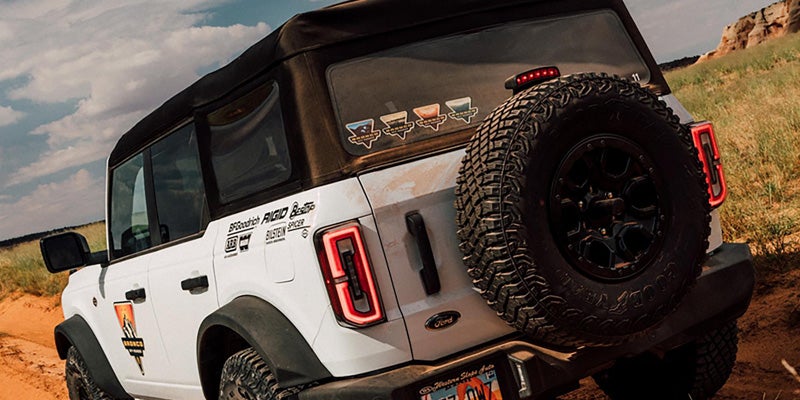
Soft Top on 2026 Ford Bronco

Ford Bronco Roof Options: What Ownership Looks Like Beyond the Showroom

An open-air drive is part of the Bronco’s appeal. However, choosing a roof also means deciding how you’ll open it, where you’ll store removed pieces, and how you’ll close the vehicle when the forecast changes. This guide covers the 2026 Ford Bronco two-door and four-door models. Roof equipment varies by trim, body style, and package, so check the specific vehicle’s window sticker when exploring new Ford Bronco inventory at Sunset Ford of Sumner. The Bronco Sport is a separate model and does not offer the Bronco’s removable-roof system. Understand the Roof Configuration You’re Buying Two-door Broncos come with a hardtop. Four-door models offer soft-top and hardtop configurations, with certain trims including a hardtop as standard equipment. Eligible four-door configurations also offer a dual-top option. Roof configuration How owners use it What to plan for Factory soft top Fold it partially or fully open using the prescribed steps Overhead clearance, removable window storage, and secure latching Removable hardtop Remove front panels for a smaller opening or additional sections for more open-air space Protected panel storage, tools, and help handling larger sections Dual tops Switch between compatible hardtop and soft-top assemblies Storage for the unused roof and time for a complete changeover Accessory retractable tops Open a front-row section or use a replacement soft-top system, depending on the product Vehicle compatibility, installation requirements, and product-specific instructions Hardtops also come in different finishes, including molded-in-color and painted versions on eligible configurations. Choose the roof’s operation first, then consider its appearance. A Soft Top Offers More Than One Opening Position The factory soft top can open partially without removing the entire assembly. Owners release the front header latches and fold the top rearward, securing it as directed in the owner’s manual. Fully opening it takes additional steps. The rear window and rear quarter windows must be removed before the top folds farther back. Those windows need protected storage to prevent scratches and creases. During a demonstration, try reaching the latches and moving the frame yourself. Notice whether you can comfortably control the top’s movement. Keep hands clear of hinges and folding mechanisms. Returning to a closed configuration involves bringing the frame forward, securing the latches, and reinstalling any removed windows. Have the salesperson demonstrate the window retainers and seals as well as the roof movement. Closing the fabric alone does not finish the job. Hardtop Panels Let You Choose How Much to Remove A Ford Bronco removable roof does not require removing every section for each outing. Taking off the front panels provides open air above the front seats while leaving the rear roof installed. Removing larger sections requires more preparation. Depending on the configuration, the work includes releasing panels, removing fasteners, and disconnecting the rear electrical connection and washer hose before lifting the rear shell. Arrange help for larger roof sections and follow the instructions for your exact Bronco. Raptor and certain modular-roof configurations have their own details. Reinstallation requires more than setting the roof back in place. Panels must sit correctly, seals must remain properly positioned, and fasteners need the specified tightening sequence and torque. Reconnect anything disconnected during removal. Ask to see the complete closing procedure before deciding how often you’ll remove the roof. Plan Storage Before Taking Anything Off Front panels and the rear roof shell have different storage needs. Compatible onboard storage equipment can secure designated panels inside the vehicle, but it also occupies cargo space. A garage storage bag is not automatically suitable for securing panels during a drive. Confirm the intended use of each bag. Useful storage and handling accessories may include: Padded bags sized for front panels or the four-door center panel. Protective storage for removable soft-top windows. A compatible padded hardtop cart. A properly rated roof hoist installed according to its manufacturer’s requirements. A compatible front-row retractable top for opening the cabin without routinely carrying hard panels. Check fitment for the model year, body style, and roof. Shade or bimini accessories provide shade; they do not replace a fully enclosed roof. Measure Garage Clearance in More Than One Position A Bronco that fits in your garage with its roof closed may need more clearance when the soft top is partially folded. Measure the garage opening and check the space beneath the raised garage door, opener, lights, and storage shelves. Allow room for the roof’s movement, not just its final position. If you’re considering a hoist, check ceiling height, mounting requirements, and room to park beneath or beside the stored roof. Include roof racks and other installed accessories when measuring. Prepare for Weather Before Leaving Home Around Sumner, a clear morning can become a wet afternoon. Check the forecast and decide whether you can close the vehicle wherever you’re going. Leaving the rear hardtop shell at home means you cannot reinstall it during a sudden shower. A soft top offers more flexibility, but closing it still requires stopping safely and completing the proper steps. Cold weather also affects soft-top operation. Follow the manual’s temperature restrictions, and avoid manipulating frozen fabric or windows. Before closing either roof type, check that sealing surfaces are clean and free of trapped material. Questions to Ask During a Roof Demonstration Have the team demonstrate both opening and closing, then ask: Which roof and storage equipment are included with this vehicle? Which sections can travel securely onboard? Which removal steps require another person? What tools and torque settings apply? Can installed roof racks affect removal? What changes when switching between hard and soft tops? Can I practice reinstalling the panels or windows? At Sunset Ford of Sumner, compare Ford Bronco roof options with your parking space and routine in mind. Schedule a test drive and request a roof demonstration so you can experience both the driving feel and the work involved in opening and closing your preferred configuration. Frequently Asked Questions Can I remove only the front hardtop panels? Yes. Follow the removal order and securing instructions for your specific roof. You do not need to remove the rear shell simply to open the area above the front seats. Can every removed roof section fit inside the Bronco? No. Designated panels may fit with compatible onboard storage equipment, but the large rear hardtop shell requires separate storage. Is switching between hard and soft tops a quick folding operation? No. A complete changeover involves removing and installing roof assemblies, hardware, and applicable trim pieces. It requires more planning than opening an installed soft top. Can I drive with the soft top in any position? Use only the positions permitted in the owner’s manual. The top must be properly secured, and removed or installed rear windows must meet the manual’s requirements. Does a hardtop eliminate wind and road noise? No roof makes the cabin silent. Test-drive the roof configuration you’re considering at highway speeds and compare conversation comfort, wind noise, and tire noise.

2026 Ford Bronco

Ford Bronco vs Bronco Sport: Which Ford SUV Fits Your Washington Weekends?

If you love getting outside, taking fire roads in the Cascades, enjoying beach access near the coast, or taking a weekend drive through the foothills, choosing the right Ford SUV matters. The Ford Bronco vs Bronco Sport debate involves more than just size. It depends on how you actually spend your time outdoors. To explore these options and learn more, reach out to Sunset Ford of Sumner in Sumner, WA. What Sets the Ford Bronco Apart Ford builds the Bronco as a purpose-built off-road vehicle on a strong body-on-frame platform. It comes in two-door and four-door configurations, providing flexibility for passengers and gear. It features removable doors and a removable roof, offering an authentic open-air experience when conditions allow. The Bronco targets drivers who demand serious trail capability. Ford equips it with standard four-wheel drive. Higher trims add features like locking front and rear differentials, electronic stability control tuned for off-road use, and available all-terrain tires. If you plan to tackle technical terrain, the Bronco handles it easily. What Makes the Bronco Sport a Strong Contender The Ford Bronco Sport shares the Bronco name and rugged styling but sits on a unibody platform. This design makes it ideal for drivers seeking a capable everyday vehicle with weekend versatility rather than a dedicated trail rig. The Bronco Sport delivers a comfortable on-road ride, a practical cargo layout, and great everyday fuel efficiency for long commutes. It includes available all-wheel drive and off-road-focused trims. These features make it highly capable on dirt roads and light off-road surfaces common throughout the Pacific Northwest. Thinking About Washington's Terrain Washington offers an incredible mix of driving environments. You might navigate forest service roads near Mount Rainier one weekend and cruise down Interstate 5 toward Tacoma the next. This range matters when deciding between these two options. If your weekends lean toward demanding off-road exploration like deep mud, rocky terrain, or steep inclines, the Bronco provides a clear advantage. If you split your time between daily driving and lighter outdoor adventures, the Bronco Sport handles both perfectly. Current Offers Worth Knowing Right now, the 2026 Ford Bronco is available with zero percent APR for 36 months, plus zero payments for up to 90 days, and bonus cash toward your down payment. Qualifying buyers also receive a complimentary two-year Premium Maintenance Plan. These offers are available through August 31, 2026, subject to Ford Credit approval and dealer residency restrictions. This financing flexibility helps significantly when choosing between two capable vehicles. Ask about current availability and eligibility when you are ready to take the next step. Stop by Sunset Ford of Sumner in Sumner, WA, to see both models in person, and our team will help you find the right match.

Ford Engine Oil Leak

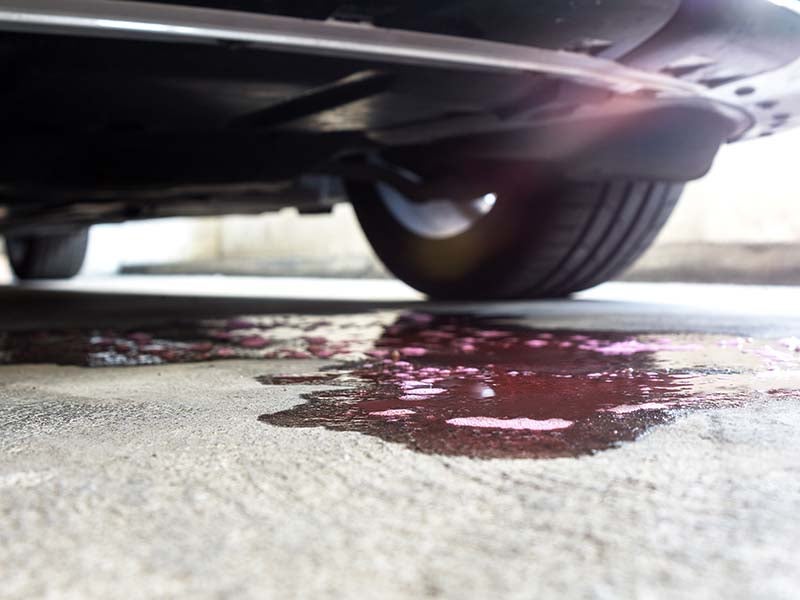
Don't Ignore That Oil Spot Under Your Ford: Small Leaks Have a Way of Growing

Finding a few drops of oil where you parked may not seem like a big deal, but it's often the first sign that your engine needs attention. Oil leaks rarely appear overnight. They usually begin as a slow seep before turning into a repair that demands immediate action. If you drive around Sumner, WA, or spend plenty of time commuting through the Pacific Northwest, keeping an eye on your engine oil is one of the easiest ways to protect your Ford for the long haul. Where Oil Leaks Usually Begin Most oil leaks develop after seals and gaskets have spent years exposed to heat, pressure, and thousands of miles of driving. A worn valve cover gasket is a common source, while oil pan gaskets, rear main seals, and timing cover seals can also begin leaking as they age. Sometimes the fix is even simpler. A drain plug that wasn't tightened correctly during an oil change or a worn drain plug washer can allow oil to escape little by little. The only way to know for sure is with a thorough inspection. Routine oil changes and regular vehicle inspections make it easier to catch these problems before they become larger repairs. Know the Signs Before They're Serious Oil doesn't always drip straight onto the driveway. In many cases, it lands on hot engine components first, creating a noticeable burning oil smell after the engine reaches operating temperature. Other warning signs include dark residue around the engine, a steady drop in the oil level between service visits, blue or gray exhaust smoke, or the oil pressure warning light appearing on the dashboard. If that warning light comes on, don't continue driving any farther than necessary. Low oil pressure can reduce lubrication to critical engine components in a very short amount of time. Why Waiting Can Cost More Engine oil performs several important jobs at once. It lubricates moving parts, helps carry heat away from internal components, and reduces friction throughout the engine. As oil escapes through a leak, those protective qualities begin to diminish. Continued operation with a low oil level increases wear on bearings, camshafts, crankshaft components, and cylinder walls. A repair that may have started with a gasket replacement can become far more extensive if the engine continues operating without enough oil. Addressing a leak early is almost always easier than repairing damage caused by running low on oil. A Few Simple Checks at Home You don't need a full workshop to spot the early signs of an oil leak. Parking on a clean surface overnight can reveal fresh drips by morning. Checking the dipstick every few weeks also helps you spot oil consumption before it becomes a larger concern. While you're looking under the hood, inspect around the valve covers and visible engine components for wet or oily residue. If anything looks unusual, scheduling a professional inspection is the safest next step. If you're already due for an oil change near Sumner, it's an ideal opportunity to have the engine inspected for developing leaks and other maintenance concerns. Keep Your Ford Ready for the Next Mile If you've noticed oil spots, a burning smell, or your oil level dropping faster than expected around Sumner, visit Sunset Ford of Sumner for a professional inspection. Our factory-trained technicians can locate the source of the leak, recommend the appropriate repair, and help keep your Ford performing at its best. Schedule your service appointment online today.

Ford Escape Plug-In Hybrid

Ford Escape Plug-In Hybrid: The SUV for Drivers Who Want Gas Backup and Electric

The Ford Escape Plug-In Hybrid is a practical choice for drivers who want electric efficiency without the range anxiety of a fully electric vehicle. It uses battery power for shorter trips and has a gasoline engine ready when you need it, making it a flexible option. The 2026 Ford Escape Plug-In Hybrid is powered by a 2.5L Atkinson-cycle 4-cylinder engine paired with an electric motor, delivering 210 total system hp through an electronically controlled continuously variable transmission (eCVT). It also offers an EPA-estimated 37 miles of all-electric driving range, providing responsive acceleration along with efficient everyday performance. Electric Range Where You Need It Most One of the biggest draws of the Escape Plug-In Hybrid is its ability to cover everyday trips and errands on electric power alone. For many drivers, that means a typical weekday never requires a drop of gasoline. You can plug in overnight, wake up to a charged battery, and handle most of your daily driving on electricity. When longer trips come up, the gas engine takes over, so you never have to plan your route around a charging station. A Comfortable and Connected Cabin The Escape Plug-In Hybrid is not just about the powertrain - it is also designed with comfort and technology in mind. The cabin offers a well-organized interior with a large touchscreen, available Ford Co-Pilot360® driver-assist technology, and connectivity features that keep you informed and in control. Charging Is Simpler Than You Might Think Many drivers assume that owning a plug-in hybrid means dealing with complicated charging setups. In reality, the Ford Escape Plug-In Hybrid can be charged using a standard household outlet, though a Level 2 home charger will replenish the battery much faster. Public charging stations are also becoming increasingly common, making top-offs during shopping trips or errands easy to work into your routine. Is the Ford Escape Plug-In Hybrid Right for You? If you drive a predictable daily route, are looking to lower your fuel costs, and want the reassurance of a gasoline backup for longer trips, the Ford Escape Plug-In Hybrid checks a lot of boxes. It blends efficiency, technology, and versatility in a package that does not require you to change how you live or plan your drives around charging availability. Drivers in the Sumner, WA area looking to explore their options can visit Sunset Ford of Sumner to learn more about current inventory and available offers on the Ford Escape Plug-In Hybrid.

Ford Summer Service:

Ford Summer Service: Is Your Ford Ready for Washington Road Trip Season?

Summer in Washington state means longer days, open highways, and plenty of reasons to load up your Ford and head out on an adventure. But before you hit the road, a little prep work goes a long way to make sure you actually enjoy it and your vehicle survives it. A Ford summer service check is one of the smartest things you can do before tackling mountain passes, coastal drives, or cross-state trips beyond Sumner, Washington this season. Here's what to look at before you go. Check Your Tires Before You Go Anywhere Your tires are the foundation of every road trip, and Ford summer service starts right there. Check the tread depth with a penny—the old “penny test”—and look for any uneven wear, which can signal alignment or suspension issues. Make sure all 4 tires, plus your spare, are inflated to the correct pressure. Washington roads can vary dramatically from flat valley stretches to steep elevation changes, so having tires in good shape matters. If you've been putting off a rotation, now is the time. Consistent wear across all 4 tires improves handling and extends their lifespan. Inspect Your Cooling System You’re not the only one feeling the heat. Summer heat puts extra demand on your engine's cooling system. During a Ford summer service visit, a technician will check your coolant level and inspect hoses and connections for wear or leaks. Overheating on a remote stretch of highway is more than an inconvenience—it can cause serious engine damage. It's also worth checking your cabin air filter. A clogged filter makes your air conditioning work harder, which affects both comfort and fuel efficiency on those longer drives around Sumner, Washington. Test Your Battery and Electrical Systems Heat is harder on car batteries than most people realize. A battery that barely made it through a mild Pacific Northwest winter may not survive a hot summer road trip. Ford summer service includes a battery load test that gives you a clear picture of how much life is left. If your battery is more than 3 years old, it's worth having it checked before you go. While you're at it, confirm that your headlights, brake lights, and turn signals are all working. It's a quick check that is easy to overlook but important for safe summer driving. Top Off All Fluid Levels A thorough fluid check is a core part of any solid Ford summer service. Engine oil, brake fluid, power steering fluid, windshield washer fluid, and transmission fluid all deserve attention before a road trip. If your oil change is coming up soon, go ahead and get it done before your trip rather than after. Like most Ford maintenance, staying current on fluid maintenance is one of the easiest ways to avoid costly repairs down the road. It takes less time than most people expect and provides real peace of mind. Don't Skip Brakes and Wipers Washington weather can be unpredictable even in summer, so worn wiper blades are a real risk. Replace them if they're leaving streaks or skipping across the glass. It's a low-cost fix that makes a big difference when an afternoon shower catches you off guard. Your brakes are even more important—they’re your first safety system. If you've noticed any squealing, grinding, or a soft pedal feel, it’s crucial to get them inspected before your trip. There are certified technicians in Sumner, Washington that can check pad thickness and rotor condition quickly during a summer service appointment. Hit the Road with Confidence A little preparation now saves a lot of headaches later. Ford summer service covers all the essentials—tires, fluids, battery, cooling system, brakes, and wipers—so you can focus on enjoying the drive rather than worrying about what might go wrong. Drivers throughout Sumner, Washington, can schedule a service appointment online at Sunset Ford of Sumner and get their Ford ready for everything Washington summer road trip season has to offer.

Ford Mobile Service Sumner

Ford Mobile Service Sumner WA vs. Ford Pickup & Delivery: The Easiest Ways to Maintain Your Vehicle

If keeping your vehicle serviced feels like a hassle, you're not the only one. Between busy schedules and long wait times, finding time to get to a dealership can be a challenge. That is exactly why Ford Mobile Service in Sumner, WA exists - to take the inconvenience out of routine maintenance and bring expert care directly to you. What Is Ford Mobile Service and How Does It Work Ford Mobile Service is a program that sends a certified Ford technician to your home or workplace to perform a wide range of maintenance and repair tasks. Rather than arranging a ride or sitting in a waiting room, you simply schedule an appointment, and a technician comes to you. The types of services covered include oil and filter changes, brake work, battery replacements, tire rotations, and more. Not every repair can be handled remotely, but for many common maintenance needs, Ford Mobile Service is a convenient and reliable option that fits into your daily routine. What Is Ford Pickup & Delivery Ford Pickup & Delivery works a little differently, but it shares the same goal - saving you time and effort. With this option, you tell your dealer when and where to pick up your vehicle, whether that is at your home or office. A team member collects it, takes it to the dealership for servicing, and then returns it to you once the work is complete. Ford Pickup & Delivery is a great choice when your vehicle needs more involved service that requires full dealership facilities and equipment. It also means you are never without support, even for repairs that go beyond what a mobile technician can handle on-site. Which Option Is Right for You Choosing between Ford Mobile Service and Ford Pickup & Delivery really comes down to the type of service your vehicle needs. For straightforward maintenance like oil changes or tire rotations, Ford Mobile Service is often the faster and more convenient path. For bigger jobs, Ford Pickup & Delivery ensures your vehicle gets the full attention of the dealership while still sparing you the trip. Both programs are designed to fit around your life rather than the other way around. Drivers in Sumner, WA no longer must rearrange their day just to keep their vehicle in top shape. Why These Programs Make Ford Ownership Easier Beyond the convenience factor, both programs reflect Ford's broader commitment to supporting customers throughout ownership. When your maintenance experience is simple and stress-free, you are more likely to stay on top of service intervals, which helps your vehicle run better and last longer. Ford Mobile Service brings certified expertise directly to your driveway, while Ford Pickup & Delivery ensures no job is too big to handle without inconveniencing you. Together, they represent a modern approach to vehicle care that puts customers first. Schedule Your Service Today If you prefer the door-to-door convenience of Ford Mobile Service or the full-service approach of Ford Pickup & Delivery, maintaining your Ford has never been more straightforward. If you are ready to try Ford Mobile Service, reach out to the service experts at Sunset Ford of Sumner to learn more and let us help you schedule your next appointment.

2026 Ford Explorer

Ford Expedition vs Explorer: Which Three-Row SUV Fits Your Family's Road Trip?

When you're planning a family road trip, what you drive makes all the difference. If your vehicle is too small, you're going to have a lot of uncomfortable (and grumpy) passengers, and that's not fun for anyone. So, you need something that's going to fit the entire family, and all your gear, and that's where Ford comes in. If you've been looking at SUVs, and have started researching the Ford Expedition vs Explorer, you're on the right track. Both are capable, well-equipped three-row SUV options - but they serve different types of families and different kinds of adventures. Keep reading to see what sets them apart, so you make the best choice for what you need. Size and Passenger Space The Explorer and the Expedition both offer seating for up to 8 passengers, but the way they use space is quite different. The Explorer is a midsize SUV, which means it fits comfortably in tighter parking situations and handles city streets with ease. The Expedition is a full-size SUV built on a truck-based platform, giving it significantly more cabin room and a more spacious third row. If your family includes teenagers or taller adults who regularly ride in the back, the Expedition's third row will feel noticeably more comfortable. The Explorer's third row is better suited for younger children or occasional use. For families who are prioritizing everyday comfort and passenger room, this is important. Capability and Towing The Ford Expedition vs Explorer comparison gets interesting when you factor in towing capacity. The Expedition is built for heavier loads, capable of max towing up to 9,600 lbs when properly equipped. That makes it an excellent choice for families who tow a camper, boat, or trailer. The Explorer holds its own for lighter towing needs - up to 5,000 lbs when properly equipped - and delivers a more carlike driving experience overall. If towing is a regular part of your plans, the Expedition is probably the better choice. But, if you're focusing more on commuting and weekend drives, the Explorer strikes a great balance. Technology and Features Both the Explorer and the Expedition come loaded with technology that makes every drive easier and more connected. Ford Co-Pilot360® technology is available on both models, offering a suite of driver-assist features designed to keep you and your passengers safe. Available BlueCruise® technology takes things further with hands-free highway driving on compatible roads. The Ford Connectivity Package is also available across the lineup, bringing in-vehicle Wi-Fi hotspot access, connected navigation, and more. If you're on a long highway stretch or just driving through town, both SUVs offer the kind of tech-forward experience modern families expect from a Ford three-row SUV. Daily Driving and Fuel Efficiency The Explorer's smaller footprint makes it easier to maneuver and park. It tends to be a natural fit for families who split their time between suburban driving and weekend getaways. The Expedition, while larger, is designed with driver confidence in mind and still handles well for its class. If fuel efficiency is a priority for your daily routine, the Explorer's smaller engine options give it an advantage. For families who need maximum space and towing capability and don't mind the larger size, the Expedition is well worth the trade-off. Which One Is Right for Your Family? Ultimately, the Ford Expedition vs Explorer decision comes down to how you use your vehicle most often. Choose the Explorer if you want a versatile, maneuverable Ford three-row SUV that handles daily life well. Choose the Expedition if you need maximum space, a larger third row, and serious towing capability for bigger adventures. Both models are available at Sunset Ford of Sumner, where you can explore current inventory, check out available offers, and even use the online Build and Price tool to configure the exact setup that works for your family. Find Your Ford in Sumner, WA No matter if you're leaning toward the Explorer or ready to go big with the Expedition, our Ford experts at Sunset Ford of Sumner are here to help. Come in and let us help you browse available inventory, explore current Ford offers, and take the next step toward your family's next great road trip.

Ford Tire Rotation

Understanding the Ford Tire Rotation Interval in Sumner, WA

Maintaining your Ford vehicle involves more than just oil changes and brake check-regular tire rotations are a crucial part of ensuring optimal performance and safety. Understanding the Ford tire rotation interval can help you extend the life of your tires and improve your driving experience. For drivers in Sumner, Washington, staying on top of tire maintenance is especially important given the diverse road conditions in the area. Why Is the Ford Tire Rotation Interval Important? The Ford tire rotation interval is designed to ensure even wear across all 4 tires. Uneven tire wear can lead to reduced traction, decreased fuel efficiency, and a shorter lifespan for your tires. Ford recommends rotating your tires approximately every 5,000 to 7,500 miles, depending on your specific model and driving habits, whether you drive a lot daily, hit a lot of tougher road conditions, for instance. Sumner’s weather conditions vary significantly throughout the year, so adhering to these guidelines is even more critical. Regular rotations help ensure that your tires maintain consistent performance, whether you're navigating wet roads in the rainy season or dry pavement during summer. Signs You May Need Tire Service in Sumner, WA Even if you're following the recommended Ford tire rotation interval, there are signs that may indicate you need immediate tire service. These include: Uneven tread wear Vibrations while driving Decreased fuel efficiency Pulling to one side If you notice any of these issues, it’s time to schedule a professional tire inspection. Addressing these problems early can prevent more significant issues down the road. Benefits of Regular Tire Rotations for Your Ford Sticking to the Ford tire rotation interval offers several advantages: Extended Tire Lifespan: Rotating your tires helps distribute wear evenly, allowing you to get the most out of your investment. Improved Safety: Evenly worn tires provide better traction and handling, especially in challenging driving conditions common in Sumner, Washington. Enhanced Fuel Efficiency: Properly maintained tires reduce rolling resistance, which can improve your vehicle's fuel economy. Cost Savings: Regular tire rotations can help you avoid premature tire replacements and other costly repairs, not to mention side effects like lost work hours. By making tire service a priority, you’re not only protecting your vehicle but also ensuring a safer driving experience for you and your passengers. Where to Get Reliable Tire Service in Sumner, WA Finding a trusted service center is key to maintaining your Ford’s performance. At Sunset Ford of Sumner, our expert technicians are here to help with all your tire needs, including rotations, inspections, and replacements. We use OEM-approved (original equipment manufacturer) methods to ensure your vehicle gets the care it deserves.   Whether you're due for routine tire rotation or need assistance with more complex tire issues, our team is committed to keeping you safely on the road.

Contact Us

Fill out this form below and we'll contact you shortly
*Required Fields