Sunset Ford of Sumner

Blog / Ford Escape Plug-In Hybrid

Ford Escape Plug-In Hybrid: The SUV for Drivers Who Want Gas Backup and Electric

Ford Escape Plug-In Hybrid

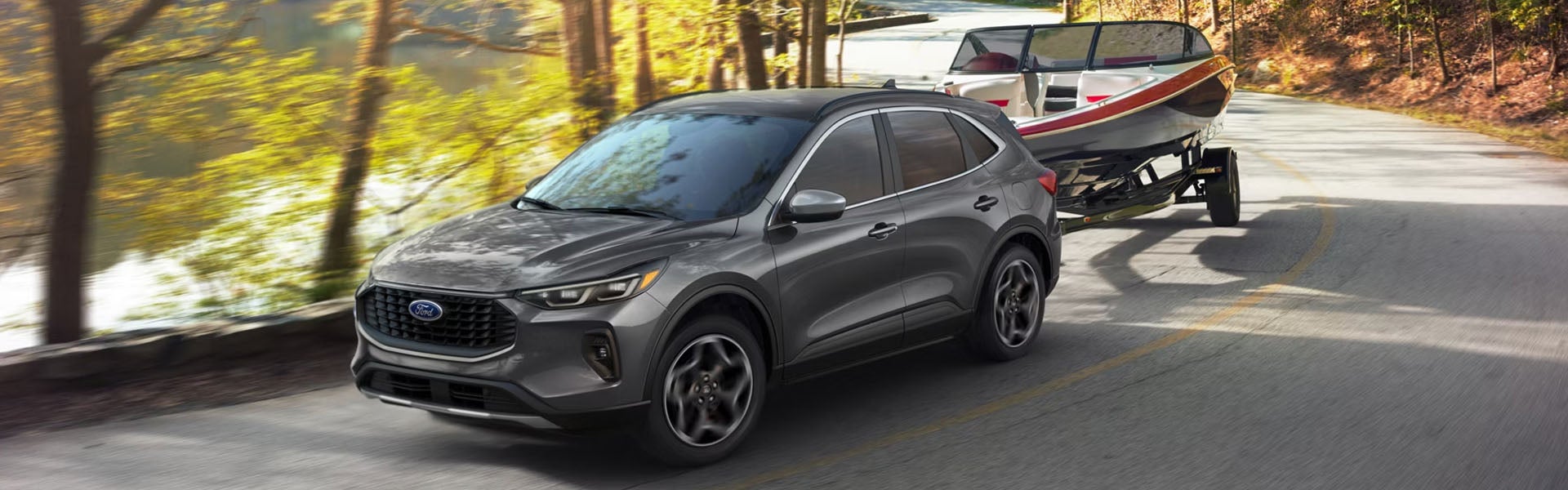
The Ford Escape Plug-In Hybrid is a practical choice for drivers who want electric efficiency without the range anxiety of a fully electric vehicle. It uses battery power for shorter trips and has a gasoline engine ready when you need it, making it a flexible option. 

The 2026 Ford Escape Plug-In Hybrid is powered by a 2.5L Atkinson-cycle 4-cylinder engine paired with an electric motor, delivering 210 total system hp through an electronically controlled continuously variable transmission (eCVT). It also offers an EPA-estimated 37 miles of all-electric driving range, providing responsive acceleration along with efficient everyday performance. 

Electric Range Where You Need It Most 

One of the biggest draws of the Escape Plug-In Hybrid is its ability to cover everyday trips and errands on electric power alone. For many drivers, that means a typical weekday never requires a drop of gasoline. You can plug in overnight, wake up to a charged battery, and handle most of your daily driving on electricity. When longer trips come up, the gas engine takes over, so you never have to plan your route around a charging station. 

A Comfortable and Connected Cabin 

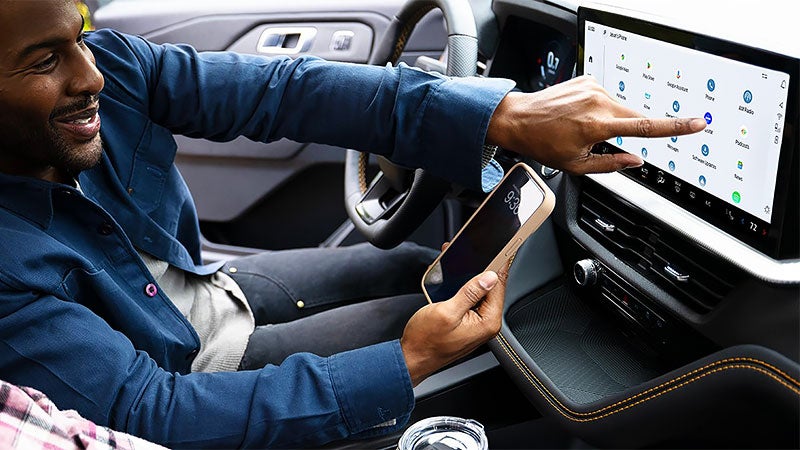
The Escape Plug-In Hybrid is not just about the powertrain - it is also designed with comfort and technology in mind. The cabin offers a well-organized interior with a large touchscreen, available Ford Co-Pilot360® driver-assist technology, and connectivity features that keep you informed and in control.  

Charging Is Simpler Than You Might Think 

Many drivers assume that owning a plug-in hybrid means dealing with complicated charging setups. In reality, the Ford Escape Plug-In Hybrid can be charged using a standard household outlet, though a Level 2 home charger will replenish the battery much faster. Public charging stations are also becoming increasingly common, making top-offs during shopping trips or errands easy to work into your routine. 

Is the Ford Escape Plug-In Hybrid Right for You? 

If you drive a predictable daily route, are looking to lower your fuel costs, and want the reassurance of a gasoline backup for longer trips, the Ford Escape Plug-In Hybrid checks a lot of boxes. It blends efficiency, technology, and versatility in a package that does not require you to change how you live or plan your drives around charging availability. 

Drivers in the Sumner, WA area looking to explore their options can visit Sunset Ford of Sumner to learn more about current inventory and available offers on the Ford Escape Plug-In Hybrid. 

Posted in:

Related Posts

Ford Engine Oil Leak

Don't Ignore That Oil Spot Under Your Ford: Small Leaks Have a Way of Growing

Finding a few drops of oil where you parked may not seem like a big deal, but it's often the first sign that your engine needs attention. Oil leaks rarely appear overnight. They usually begin as a slow seep before turning into a repair that demands immediate action. If you drive around Sumner, WA, or spend plenty of time commuting through the Pacific Northwest, keeping an eye on your engine oil is one of the easiest ways to protect your Ford for the long haul. Where Oil Leaks Usually Begin Most oil leaks develop after seals and gaskets have spent years exposed to heat, pressure, and thousands of miles of driving. A worn valve cover gasket is a common source, while oil pan gaskets, rear main seals, and timing cover seals can also begin leaking as they age. Sometimes the fix is even simpler. A drain plug that wasn't tightened correctly during an oil change or a worn drain plug washer can allow oil to escape little by little. The only way to know for sure is with a thorough inspection. Routine oil changes and regular vehicle inspections make it easier to catch these problems before they become larger repairs. Know the Signs Before They're Serious Oil doesn't always drip straight onto the driveway. In many cases, it lands on hot engine components first, creating a noticeable burning oil smell after the engine reaches operating temperature. Other warning signs include dark residue around the engine, a steady drop in the oil level between service visits, blue or gray exhaust smoke, or the oil pressure warning light appearing on the dashboard. If that warning light comes on, don't continue driving any farther than necessary. Low oil pressure can reduce lubrication to critical engine components in a very short amount of time. Why Waiting Can Cost More Engine oil performs several important jobs at once. It lubricates moving parts, helps carry heat away from internal components, and reduces friction throughout the engine. As oil escapes through a leak, those protective qualities begin to diminish. Continued operation with a low oil level increases wear on bearings, camshafts, crankshaft components, and cylinder walls. A repair that may have started with a gasket replacement can become far more extensive if the engine continues operating without enough oil. Addressing a leak early is almost always easier than repairing damage caused by running low on oil. A Few Simple Checks at Home You don't need a full workshop to spot the early signs of an oil leak. Parking on a clean surface overnight can reveal fresh drips by morning. Checking the dipstick every few weeks also helps you spot oil consumption before it becomes a larger concern. While you're looking under the hood, inspect around the valve covers and visible engine components for wet or oily residue. If anything looks unusual, scheduling a professional inspection is the safest next step. If you're already due for an oil change near Sumner, it's an ideal opportunity to have the engine inspected for developing leaks and other maintenance concerns. Keep Your Ford Ready for the Next Mile If you've noticed oil spots, a burning smell, or your oil level dropping faster than expected around Sumner, visit Sunset Ford of Sumner for a professional inspection. Our factory-trained technicians can locate the source of the leak, recommend the appropriate repair, and help keep your Ford performing at its best. Schedule your service appointment online today.

2027 Ford Explorer Tech Features and Infotainment

2027 Ford Explorer Technology: What to Try on Your Test Drive

A test drive should show you more than how an SUV accelerates and handles. It should also help you decide whether adjusting the temperature, following directions, and answering a call feel straightforward. The 2027 Ford Explorer technology lineup centers on the Ford Digital Experience, which brings together touchscreen controls, built-in Google features, and smartphone integration. Before heading out from Sunset Ford of Sumner, spend a few minutes parked getting familiar with the functions you’ll use most. Get Comfortable With Both Displays The 2027 Explorer includes a 13.2-inch center touchscreen and a 12.3-inch digital instrument cluster. Each serves a different purpose. The center screen handles navigation, apps, entertainment, and climate settings. The instrument cluster keeps driving information in front of you and can display navigation information supported by the system. Adjust your seat and steering wheel before evaluating either display. Can you read the information comfortably? Can you reach the touchscreen without leaning forward? Ask your sales consultant to demonstrate the steering-wheel controls and show how to change the information displayed in the cluster. As you browse Ford Explorer inventory, remember that equipment beyond the main displays can vary by trim and package. Find the Climate Controls First Learning the climate controls while parked can make your first drive more comfortable, particularly on a rainy Sumner morning. Use the touchscreen to adjust the temperature, fan speed, and airflow direction. Locate the windshield defrost controls and ask how to manage rear-seat climate settings. If the Explorer you’re considering has heated or ventilated seats, try those controls too. Then return to the navigation screen. This simple exercise helps you judge how easily you can move between directions and everyday vehicle settings. Compare Built-In Navigation With Your Phone The Ford Digital Experience includes built-in Google Maps. Try entering a destination, reviewing the route, and canceling guidance before beginning your drive. Ask your consultant to show how navigation information appears in the instrument cluster. Connected functions, including live traffic information, require an internet connection. Their usefulness also depends on network coverage where you drive. Wireless Apple CarPlay and Android Auto compatibility let you access supported smartphone functions through the center display. Bring your own compatible phone and test the connection. Pairing may require permissions for contacts, calls, and other features. Try your preferred navigation and music apps rather than assuming every app works through the vehicle screen. Phone-based services can use your mobile data and may have separate account or subscription requirements. Give Voice Controls a Real Task Voice controls are easier to evaluate with a specific request. Try asking for directions, calling a contact, or changing the cabin temperature. Ask your consultant to demonstrate the steering-wheel voice button and the activation phrase for the selected assistant. Available commands and online responses depend on the assistant, connection, and account setup. Pay attention to whether the system understands your normal speaking voice. Being comfortable with a few useful commands can reduce the need to navigate touchscreen menus while driving. Understand Connectivity and Subscription Requirements The 2027 Explorer lists a Ford Connectivity Package with one year included. The package supports connected services such as in-vehicle internet access and streaming. Confirm the activation requirements, included period, and options for continued service on the specific vehicle you’re considering. Some apps require their own accounts or paid subscriptions. SiriusXM service also has separate subscription terms after its included trial. A compatible phone hotspot can provide an alternative connection for supported Ford Digital Experience functions, although mobile data limits and coverage still apply. Basic climate operation does not require a paid connectivity subscription. Your Parked Test-Drive Checklist Before shifting into drive: Pair your phone and test a call or audio connection. Adjust temperature, fan speed, and windshield defrost. Enter a destination and cancel the route. Try a voice command for navigation or cabin temperature. Change the instrument-cluster view. Switch between smartphone integration and built-in functions. Confirm connectivity terms and any separate app subscriptions. Once those tasks feel familiar, you can concentrate on visibility, comfort, and handling. Schedule a test drive at Sunset Ford of Sumner and bring your phone so you can see how the Explorer fits your daily routine.

Soft Top on 2026 Ford Bronco

Ford Bronco Roof Options: What Ownership Looks Like Beyond the Showroom

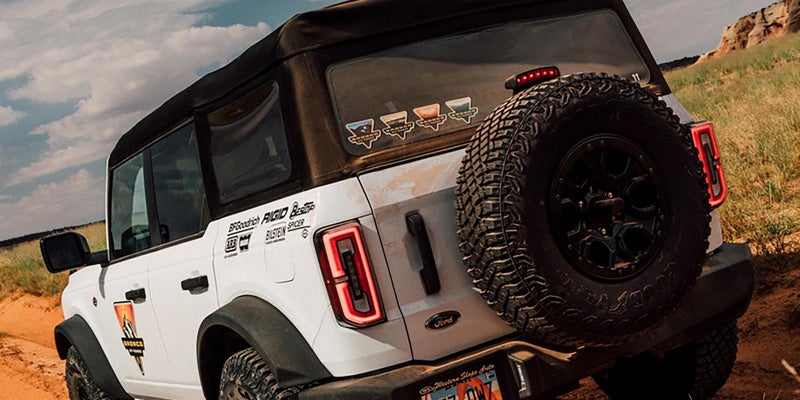
An open-air drive is part of the Bronco’s appeal. However, choosing a roof also means deciding how you’ll open it, where you’ll store removed pieces, and how you’ll close the vehicle when the forecast changes. This guide covers the 2026 Ford Bronco two-door and four-door models. Roof equipment varies by trim, body style, and package, so check the specific vehicle’s window sticker when exploring new Ford Bronco inventory at Sunset Ford of Sumner. The Bronco Sport is a separate model and does not offer the Bronco’s removable-roof system. Understand the Roof Configuration You’re Buying Two-door Broncos come with a hardtop. Four-door models offer soft-top and hardtop configurations, with certain trims including a hardtop as standard equipment. Eligible four-door configurations also offer a dual-top option. Roof configuration How owners use it What to plan for Factory soft top Fold it partially or fully open using the prescribed steps Overhead clearance, removable window storage, and secure latching Removable hardtop Remove front panels for a smaller opening or additional sections for more open-air space Protected panel storage, tools, and help handling larger sections Dual tops Switch between compatible hardtop and soft-top assemblies Storage for the unused roof and time for a complete changeover Accessory retractable tops Open a front-row section or use a replacement soft-top system, depending on the product Vehicle compatibility, installation requirements, and product-specific instructions Hardtops also come in different finishes, including molded-in-color and painted versions on eligible configurations. Choose the roof’s operation first, then consider its appearance. A Soft Top Offers More Than One Opening Position The factory soft top can open partially without removing the entire assembly. Owners release the front header latches and fold the top rearward, securing it as directed in the owner’s manual. Fully opening it takes additional steps. The rear window and rear quarter windows must be removed before the top folds farther back. Those windows need protected storage to prevent scratches and creases. During a demonstration, try reaching the latches and moving the frame yourself. Notice whether you can comfortably control the top’s movement. Keep hands clear of hinges and folding mechanisms. Returning to a closed configuration involves bringing the frame forward, securing the latches, and reinstalling any removed windows. Have the salesperson demonstrate the window retainers and seals as well as the roof movement. Closing the fabric alone does not finish the job. Hardtop Panels Let You Choose How Much to Remove A Ford Bronco removable roof does not require removing every section for each outing. Taking off the front panels provides open air above the front seats while leaving the rear roof installed. Removing larger sections requires more preparation. Depending on the configuration, the work includes releasing panels, removing fasteners, and disconnecting the rear electrical connection and washer hose before lifting the rear shell. Arrange help for larger roof sections and follow the instructions for your exact Bronco. Raptor and certain modular-roof configurations have their own details. Reinstallation requires more than setting the roof back in place. Panels must sit correctly, seals must remain properly positioned, and fasteners need the specified tightening sequence and torque. Reconnect anything disconnected during removal. Ask to see the complete closing procedure before deciding how often you’ll remove the roof. Plan Storage Before Taking Anything Off Front panels and the rear roof shell have different storage needs. Compatible onboard storage equipment can secure designated panels inside the vehicle, but it also occupies cargo space. A garage storage bag is not automatically suitable for securing panels during a drive. Confirm the intended use of each bag. Useful storage and handling accessories may include: Padded bags sized for front panels or the four-door center panel. Protective storage for removable soft-top windows. A compatible padded hardtop cart. A properly rated roof hoist installed according to its manufacturer’s requirements. A compatible front-row retractable top for opening the cabin without routinely carrying hard panels. Check fitment for the model year, body style, and roof. Shade or bimini accessories provide shade; they do not replace a fully enclosed roof. Measure Garage Clearance in More Than One Position A Bronco that fits in your garage with its roof closed may need more clearance when the soft top is partially folded. Measure the garage opening and check the space beneath the raised garage door, opener, lights, and storage shelves. Allow room for the roof’s movement, not just its final position. If you’re considering a hoist, check ceiling height, mounting requirements, and room to park beneath or beside the stored roof. Include roof racks and other installed accessories when measuring. Prepare for Weather Before Leaving Home Around Sumner, a clear morning can become a wet afternoon. Check the forecast and decide whether you can close the vehicle wherever you’re going. Leaving the rear hardtop shell at home means you cannot reinstall it during a sudden shower. A soft top offers more flexibility, but closing it still requires stopping safely and completing the proper steps. Cold weather also affects soft-top operation. Follow the manual’s temperature restrictions, and avoid manipulating frozen fabric or windows. Before closing either roof type, check that sealing surfaces are clean and free of trapped material. Questions to Ask During a Roof Demonstration Have the team demonstrate both opening and closing, then ask: Which roof and storage equipment are included with this vehicle? Which sections can travel securely onboard? Which removal steps require another person? What tools and torque settings apply? Can installed roof racks affect removal? What changes when switching between hard and soft tops? Can I practice reinstalling the panels or windows? At Sunset Ford of Sumner, compare Ford Bronco roof options with your parking space and routine in mind. Schedule a test drive and request a roof demonstration so you can experience both the driving feel and the work involved in opening and closing your preferred configuration. Frequently Asked Questions Can I remove only the front hardtop panels? Yes. Follow the removal order and securing instructions for your specific roof. You do not need to remove the rear shell simply to open the area above the front seats. Can every removed roof section fit inside the Bronco? No. Designated panels may fit with compatible onboard storage equipment, but the large rear hardtop shell requires separate storage. Is switching between hard and soft tops a quick folding operation? No. A complete changeover involves removing and installing roof assemblies, hardware, and applicable trim pieces. It requires more planning than opening an installed soft top. Can I drive with the soft top in any position? Use only the positions permitted in the owner’s manual. The top must be properly secured, and removed or installed rear windows must meet the manual’s requirements. Does a hardtop eliminate wind and road noise? No roof makes the cabin silent. Test-drive the roof configuration you’re considering at highway speeds and compare conversation comfort, wind noise, and tire noise.