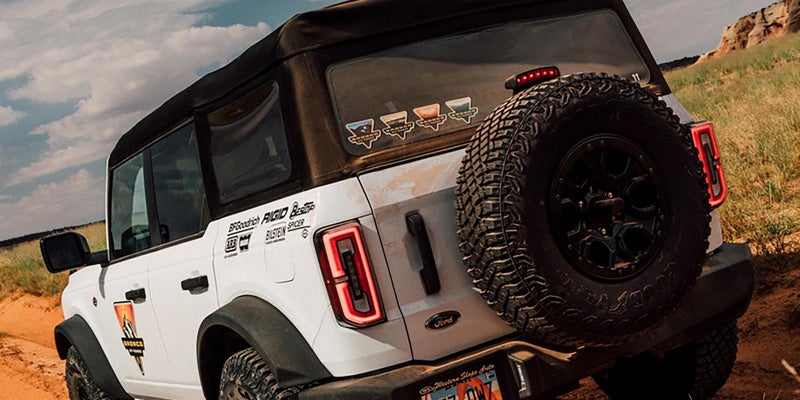
An open-air drive is part of the Bronco’s appeal. However, choosing a roof also means deciding how you’ll open it, where you’ll store removed pieces, and how you’ll close the vehicle when the forecast changes. This guide covers the 2026 Ford Bronco two-door and four-door models. Roof equipment varies by trim, body style, and package, so check the specific vehicle’s window sticker when exploring new Ford Bronco inventory at Sunset Ford of Sumner. The Bronco Sport is a separate model and does not offer the Bronco’s removable-roof system. Understand the Roof Configuration You’re Buying Two-door Broncos come with a hardtop. Four-door models offer soft-top and hardtop configurations, with certain trims including a hardtop as standard equipment. Eligible four-door configurations also offer a dual-top option. Roof configuration How owners use it What to plan for Factory soft top Fold it partially or fully open using the prescribed steps Overhead clearance, removable window storage, and secure latching Removable hardtop Remove front panels for a smaller opening or additional sections for more open-air space Protected panel storage, tools, and help handling larger sections Dual tops Switch between compatible hardtop and soft-top assemblies Storage for the unused roof and time for a complete changeover Accessory retractable tops Open a front-row section or use a replacement soft-top system, depending on the product Vehicle compatibility, installation requirements, and product-specific instructions Hardtops also come in different finishes, including molded-in-color and painted versions on eligible configurations. Choose the roof’s operation first, then consider its appearance. A Soft Top Offers More Than One Opening Position The factory soft top can open partially without removing the entire assembly. Owners release the front header latches and fold the top rearward, securing it as directed in the owner’s manual. Fully opening it takes additional steps. The rear window and rear quarter windows must be removed before the top folds farther back. Those windows need protected storage to prevent scratches and creases. During a demonstration, try reaching the latches and moving the frame yourself. Notice whether you can comfortably control the top’s movement. Keep hands clear of hinges and folding mechanisms. Returning to a closed configuration involves bringing the frame forward, securing the latches, and reinstalling any removed windows. Have the salesperson demonstrate the window retainers and seals as well as the roof movement. Closing the fabric alone does not finish the job. Hardtop Panels Let You Choose How Much to Remove A Ford Bronco removable roof does not require removing every section for each outing. Taking off the front panels provides open air above the front seats while leaving the rear roof installed. Removing larger sections requires more preparation. Depending on the configuration, the work includes releasing panels, removing fasteners, and disconnecting the rear electrical connection and washer hose before lifting the rear shell. Arrange help for larger roof sections and follow the instructions for your exact Bronco. Raptor and certain modular-roof configurations have their own details. Reinstallation requires more than setting the roof back in place. Panels must sit correctly, seals must remain properly positioned, and fasteners need the specified tightening sequence and torque. Reconnect anything disconnected during removal. Ask to see the complete closing procedure before deciding how often you’ll remove the roof. Plan Storage Before Taking Anything Off Front panels and the rear roof shell have different storage needs. Compatible onboard storage equipment can secure designated panels inside the vehicle, but it also occupies cargo space. A garage storage bag is not automatically suitable for securing panels during a drive. Confirm the intended use of each bag. Useful storage and handling accessories may include: Padded bags sized for front panels or the four-door center panel. Protective storage for removable soft-top windows. A compatible padded hardtop cart. A properly rated roof hoist installed according to its manufacturer’s requirements. A compatible front-row retractable top for opening the cabin without routinely carrying hard panels. Check fitment for the model year, body style, and roof. Shade or bimini accessories provide shade; they do not replace a fully enclosed roof. Measure Garage Clearance in More Than One Position A Bronco that fits in your garage with its roof closed may need more clearance when the soft top is partially folded. Measure the garage opening and check the space beneath the raised garage door, opener, lights, and storage shelves. Allow room for the roof’s movement, not just its final position. If you’re considering a hoist, check ceiling height, mounting requirements, and room to park beneath or beside the stored roof. Include roof racks and other installed accessories when measuring. Prepare for Weather Before Leaving Home Around Sumner, a clear morning can become a wet afternoon. Check the forecast and decide whether you can close the vehicle wherever you’re going. Leaving the rear hardtop shell at home means you cannot reinstall it during a sudden shower. A soft top offers more flexibility, but closing it still requires stopping safely and completing the proper steps. Cold weather also affects soft-top operation. Follow the manual’s temperature restrictions, and avoid manipulating frozen fabric or windows. Before closing either roof type, check that sealing surfaces are clean and free of trapped material. Questions to Ask During a Roof Demonstration Have the team demonstrate both opening and closing, then ask: Which roof and storage equipment are included with this vehicle? Which sections can travel securely onboard? Which removal steps require another person? What tools and torque settings apply? Can installed roof racks affect removal? What changes when switching between hard and soft tops? Can I practice reinstalling the panels or windows? At Sunset Ford of Sumner, compare Ford Bronco roof options with your parking space and routine in mind. Schedule a test drive and request a roof demonstration so you can experience both the driving feel and the work involved in opening and closing your preferred configuration. Frequently Asked Questions Can I remove only the front hardtop panels? Yes. Follow the removal order and securing instructions for your specific roof. You do not need to remove the rear shell simply to open the area above the front seats. Can every removed roof section fit inside the Bronco? No. Designated panels may fit with compatible onboard storage equipment, but the large rear hardtop shell requires separate storage. Is switching between hard and soft tops a quick folding operation? No. A complete changeover involves removing and installing roof assemblies, hardware, and applicable trim pieces. It requires more planning than opening an installed soft top. Can I drive with the soft top in any position? Use only the positions permitted in the owner’s manual. The top must be properly secured, and removed or installed rear windows must meet the manual’s requirements. Does a hardtop eliminate wind and road noise? No roof makes the cabin silent. Test-drive the roof configuration you’re considering at highway speeds and compare conversation comfort, wind noise, and tire noise.